DSML Market Views Article
Samsung and Google Pick Gentle Monster and Warby Parker for Their AI Glasses
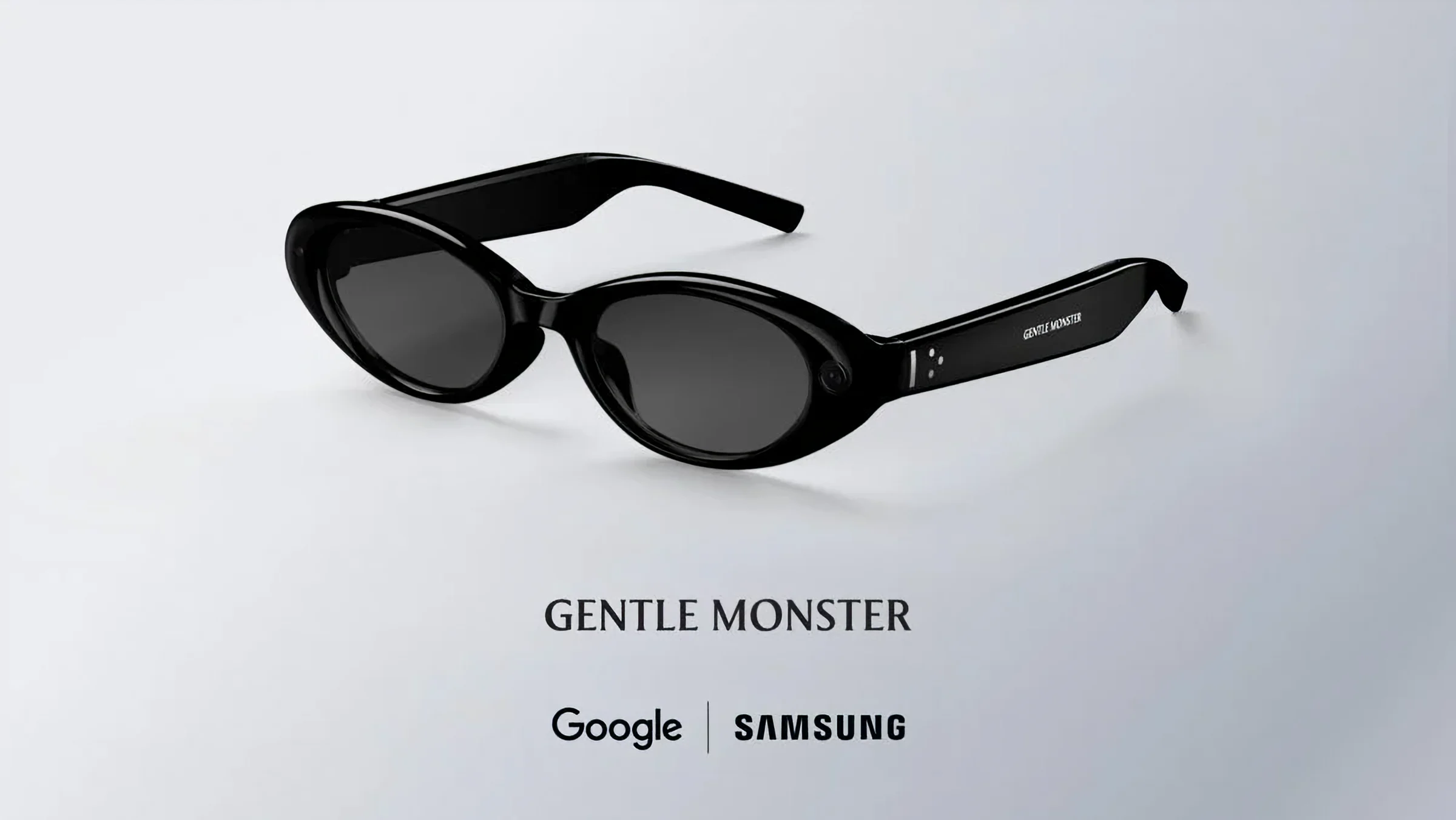
Hankook Kim's fashion brand joined a phone-companion product preview in May 2026. The collaboration brings frame design, Google software, Samsung hardware and an optical retailer's fitting experience into the same object.
Hankook Kim Brings Gentle Monster's Identity Into the Frame
On 19 May 2026, Samsung and Google showed two intelligent-eyewear designs made with Gentle Monster and Warby Parker. Gentle Monster founder and chief executive Hankook Kim wanted the connected product to carry his brand's fashion identity. The electronics were being designed into an object people would choose partly for how it looked and felt on their face.
Samsung supplied hardware engineering, Google the AI technology, and the eyewear partners their different approaches to design. The preview presented Gentle Monster's more disruptive styling alongside Warby Parker's restrained frames. Kim described a combination of emotional expression and technology. Warby Parker co-founder Dave Gilboa focused on personal fit, precision optics and comfort.
That division of work changes where product design enters an AI project. The frame is the part a customer wears while everything else happens: receiving directions, answering a message or speaking to an assistant. The Korean brand's contribution was present in that physical choice, alongside the electronics and software that make the object respond. Samsung's announcement scheduled the first collections for autumn in selected markets.
Izadi's First Offer Speaks Into the Ear
Google's Android XR head Shahram Izadi set out the product sequence on the same day. Audio glasses would come first, with display glasses a separate route. The proposed audio functions included directions, messages, photographs and translation, with Android and iOS phone pairing. The phone would remain part of the system, while the glasses moved selected interactions away from its screen.
The launch account described activating Gemini by voice or by tapping the frame. For navigation, the glasses would use the wearer's position and direction to give spoken instructions. For translation, they could respond to speech or text on a menu or sign. These were specific everyday tasks around which the partners were organising the device.
Google also described preparing a coffee order through DoorDash, leaving final confirmation to the user. That small step matters to the experience: the assistant can work through a request while the person retains the decision to place the order. The technology is being asked to fit around an existing walk, conversation or errand. Wearing the interface makes those tasks more immediate, while also putting cameras and spoken assistance into the social space around the user.
The Partnership Had Started a Year Before the Preview
Warby Parker's agreement with Google came in May 2025. Co-founders Gilboa and Neil Blumenthal connected the project to their existing work on eyewear and technology. The first product line was planned for after 2025, with prescription and non-prescription lenses. Izadi identified optical expertise and the company's combination of digital and physical retail as reasons for choosing it.
Google committed up to USD 75 million towards development and commercialisation, alongside a separate option for Warby Parker to issue up to USD 75 million of shares after collaboration milestones. The arrangement put resources behind the optical business's part of the work before a finished design was shown. Those are Warby Parker's agreed funding routes; Gentle Monster's contribution belongs to its separately announced design partnership.
The May 2026 preview therefore followed an earlier decision to develop the product over time. The partners had already identified a series of products, lens requirements and a route to customers. The frames shown a year later gave that programme a recognisable physical form, bringing the Korean fashion company into a collaboration that had begun with an American optical retailer.
The Optical Business Supplies Places and People
Warby Parker ended 2025 with 323 shops in the United States and Canada, including 285 offering in-person eye examinations. It had added 47 net new stores during the year. Its annual report describes a business offering lenses, contacts, exams and digital tools as well as frames. The intelligent-eyewear programme would meet customers through an organisation already accustomed to helping them choose something they wear every day.
The company also operated two in-house optical laboratories and offered virtual try-on and prescription-related services. These capabilities give a technology partner more than shelf space. They connect frame selection to the work of seeing clearly, checking a prescription and finding a comfortable fit. An optical customer approaches the object through those needs even when it contains a new computing interface.
The report describes Virtual Try-On for selecting frames and Virtual Vision Test for updating prescriptions from home. Moving between those tools and shops had already made technology part of the optical service. The AI collaboration takes that experience into the eyewear itself: connected functions are being developed for a product whose frame selection and prescription services already use digital tools.
That is why Gilboa's emphasis on details belongs beside Kim's fashion identity and Izadi's software plan. The collaboration joins several kinds of knowledge at the same point of use. Gentle Monster helps determine the product's visual character; the optical retailer brings experience with lenses and fitting; Samsung and Google make the connected functions possible.
The May designs leave an identifiable next task for those teams: bring the promised everyday functions into the collections customers will try on. The collaboration's distinctive feature is already visible in the preview. Korean design sits within the product itself, shaping the object through which the wearer will encounter the technology.
The Frame Becomes Part of the Interface
The collaboration gives Gentle Monster a role in how people encounter AI away from a phone screen. Its fashion identity joins engineering and optical expertise in a product whose usefulness depends on being comfortable enough to wear and straightforward enough to use.