DSML Market Views Article
DEEPX and Ultralytics Let Developers Export YOLO Models Directly to Local AI Chips
Native export brought the accelerator into developers' existing software. The engineers' May session and a July calibration repair show the work needed to keep that route usable.
DEEPX announced its Ultralytics alliance on 21 May 2026, eight days after the vision-software company described the native integration. Supported YOLO models could be exported to a compiled, INT8-quantised DEEPX package. Lokwon Kim and Glenn Jocher presented the partnership around bringing computer vision from its development environment onto local NPU hardware.
The change put DEEPX in a place where engineers already prepared vision models. They could use the same environment for training and export, then run the compiled result on an accelerator. The partners subsequently put customer-support and embedded-computing engineers into a public technical session. July's classification repair showed that maintaining the connection required attention to the details of the software's different tasks.
DEEPX supplied the chip and compiler; Ultralytics supplied the model environment and native export path. That gave the hardware a route through an established software product. Ultralytics' current offer includes an AGPL-3.0 community route and an Enterprise route for proprietary deployment. The partnership combined access to that environment with the hardware and software needed to run models locally.
May Made DEEPX a Destination Inside the YOLO Workflow
Ultralytics' 13 May account introduced the DX-M1 M.2 module and DX-AIPlayer N97 box alongside the software route. Developers could annotate and train a model in the Ultralytics environment, then choose DEEPX as the export destination. The same model-development process now had another hardware endpoint.
The integration used DEEPX's compiler to produce an optimised .dxnn binary with INT8 quantisation and calibration images. It connected the original model to instructions and settings prepared for the NPU. The export produced a deployable model directory through the same Ultralytics workflow used to prepare the model.
DEEPX's announcement on 21 May framed that product change as a strategic alliance. Kim emphasised native access through the Ultralytics package; Jocher described combining vision models with efficient edge architectures. The companies also proposed webinars, joint campaigns and community work. A public technical session followed within the same month.
- DEEPX / alliance and native software route
- Ultralytics / counterpart technical integration description
Reported Metrics
- Reported export quantisation: INT8. Eight-bit integer quantisation used when compiling supported YOLO models into DEEPX binaries. Source 2
Mattioli and Dissanayake Joined Kim and Park for a Technical Session
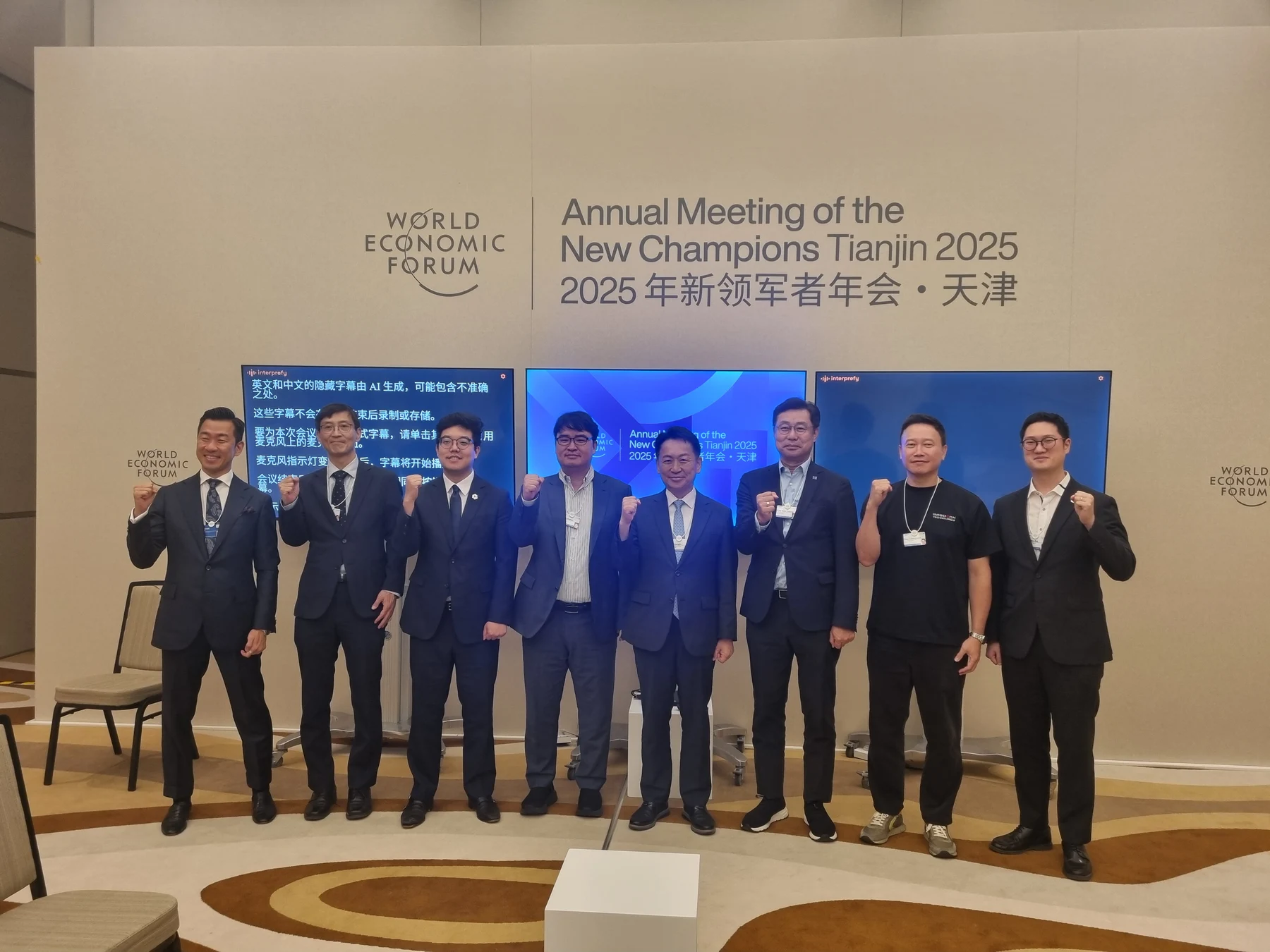
The 27 May session paired Francesco Mattioli, Ultralytics' partnerships and ecosystem manager, with embedded computer-vision engineer Lakshantha Dissanayake. DEEPX was represented by strategic-marketing director Tim Park and customer-support senior engineer Max Kim. Sixfab's Okan Saracoglu joined the speaker list.
Their roles followed the work involved in deployment. Dissanayake had experience with Raspberry Pi, NVIDIA Jetson and Edge TPU systems and a background in application engineering. Max Kim supported customers adopting DEEPX edge AI across Asia-Pacific. The partnership's technical explanation therefore involved people working between the model software and the customer's hardware.
The event page described exporting and deploying compiled models for on-device inference and provides a replay link. That was a practical continuation of May's announcement: the partners were putting the route before developers with the staff who could explain its embedded-computing and support requirements.
July Repaired the Way Classification Images Were Found
Glenn Jocher's official 30 July announcement for Ultralytics v8.4.112 reported a specific DEEPX classification-export fix. Classification datasets placed their image directory under a field called root. The exporter had expected img_path instead. It now handled the classification structure correctly when locating calibration images.
Calibration belongs to preparing a model for the accelerator's numerical representation. A route that found detection images correctly could still fail on a different task's dataset arrangement. The repair addressed that particular connection between training data and the compiled model.
The release also expanded DEEPX smoke tests to task-specific default models, replacing coverage limited to a YOLO26 detection case. Task-support tables were added across twenty integration pages, identifying supported combinations and model-family constraints. The native destination was becoming a more thoroughly described and checked route across the framework's different vision tasks.
The Current Guide Carries the Model From Compilation to a Measured Result
The maintained DEEPX guide now separates the development machine from the final device. Compilation takes place on x86-64 Linux; the exported model can run on supported x86-64 or ARM64 hardware. Its examples include a Raspberry Pi 5 connected to DEEPX hardware. A developer need not use the small deployment computer to compile the model.
The output combines the NPU binary with calibration and preprocessing configuration and metadata such as classes, task and image size. The guide supplies prediction and validation paths alongside export. It also documents the driver, runtime and Python package used to execute the result, making the handover from a model file to a device explicit.
The same guide publishes speed and accuracy together. In its ImageNet100 classification comparison, the YOLO26 nano classifier recorded 43.1% top-one accuracy in PyTorch and 33.3% in DEEPX format. Inference time fell from 23.8 to 2.7 milliseconds per image. The table shows why a fast compiled model still has to be assessed against the particular vision task.
That is a more complete product than an export option alone. May introduced the destination, the public session explained its use, and July corrected a task-specific failure. The current package and validation route give developers a way to carry their model through to an executed result and examine both its speed and its behaviour.
The guide's published inference timings exclude image preprocessing and post-processing.
Primary Sources
- DEEPX / alliance and native software route (2026-05-21)
- Ultralytics / current vendor software-licensing description (Undated live terms description)
- Ultralytics / live DEEPX integration documentation and task matrix (Undated maintained documentation)


