DSML Market Views Article
Hanmi's Obesity Drug Wins Korean Approval After Mexican Distribution Agreement
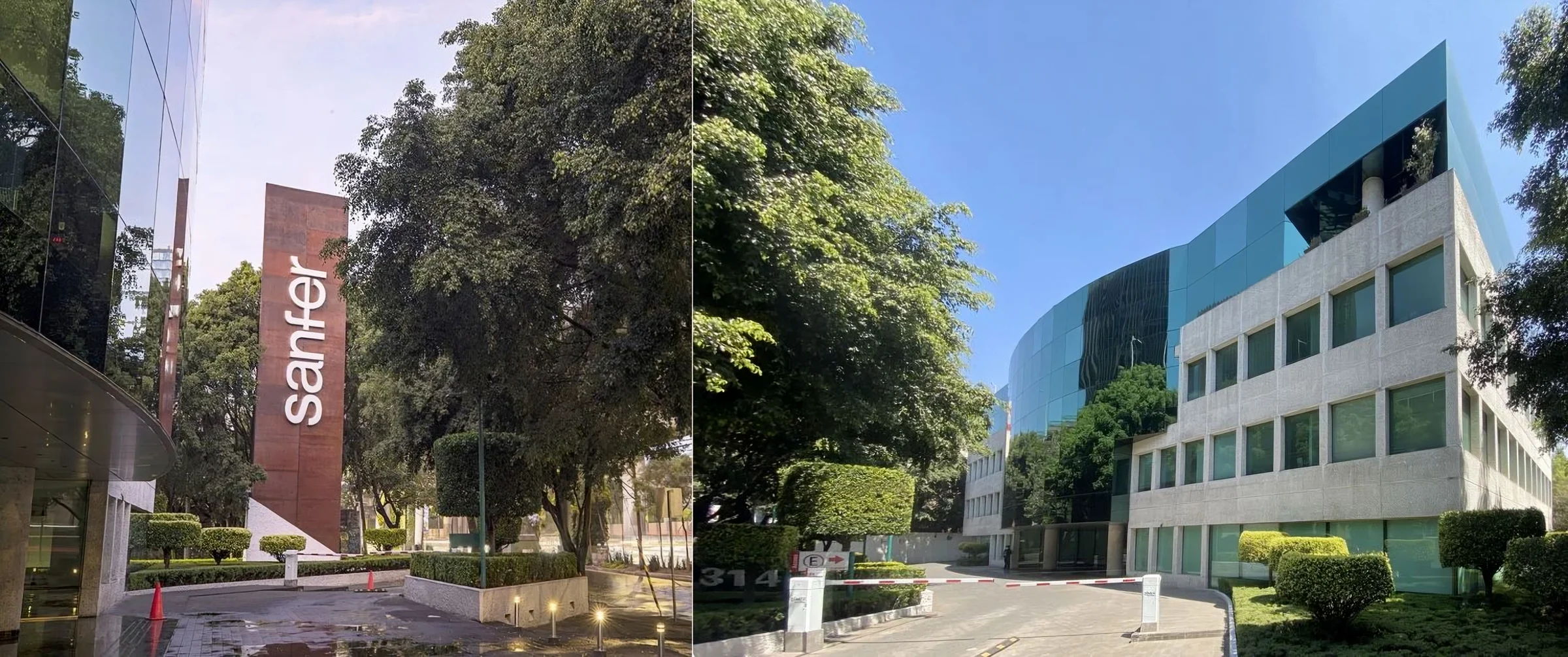
Park and Amtmann agreed a Mexican distribution route while Hanmi's obesity medicine was still awaiting Korean approval. Through 2026, Hanmi advanced its diabetes study and secured home-market authorisation, with Pyeongtaek preparing the product Sanfer would take through local approval.
Hanmi announced its exclusive Mexican distribution agreement with Laboratorios Sanfer on 28 January 2026 for efpeglenatide and the Dapalon diabetes portfolio. Hanmi would supply finished products and Sanfer handle local approval and selling. Korean obesity approval followed on 7 October, advancing the medicine behind the export plan.
Jae-hyun Park and Ricardo Amtmann committed to the Mexican route before Hanmi had finished the home-market approval process. Their decision put a local regulatory and commercial partner beside a Korean developer preparing its own finished medicine. The work on the product and on its destination could proceed together.
Hanmi's supply role connected its formulation and manufacturing capabilities with Sanfer's local regulatory, marketing and distribution organisation. Continuing metabolic-disease treatment put dependable supply and affordability at the centre of the partners' intended Mexican offer.
Park and Amtmann Prepared a Route Before Approval
On 28 January 2026, Hanmi chief executive Jae-hyun Park and Sanfer chief executive Ricardo Amtmann announced a partnership covering efpeglenatide, Dapalon tablets and Dapalon Duo sustained-release tablets. The injectable obesity candidate came alongside a diabetes-product family. Hanmi would supply finished medicines, while Sanfer took responsibility for approval, marketing, distribution and sales in Mexico.
Park emphasised Hanmi's formulation and research work; Amtmann placed the products within Mexico's need for obesity and diabetes care. Their choice was a partnership with a company already operating locally. Hanmi described Sanfer's history from its founding in 1941, its wider Latin American network and its acquisition of Mexican biologics company Probiomed. The contract itself focused that experience on Mexico.
The companies also planned discussions about additional products and joint marketing. The immediate commitment was more defined: a Korean supply operation joined a Mexican approval and commercial organisation around a named metabolic-disease portfolio. They made the decision while efpeglenatide's Korean application, filed on 17 December 2025, was still under consideration.
- Hanmi / English Mexican supply and distribution agreement
- Hanmi / Korean version of the same agreement and development context
Kim's Diabetes Programme Advanced Alongside the Export Plan
Another programme was already moving when the distribution agreement was announced. On 21 January, Korean regulators authorised a Phase III study of efpeglenatide added to metformin and the SGLT-2 inhibitor dapagliflozin. Its participants had type 2 diabetes with blood glucose inadequately controlled by those existing medicines. The trial was designed to test an additional role for the injectable beyond weight management.
Hanmi's 18 May update reported the first dose on 13 April. The Korean multicentre, randomised, double-blind study compared efpeglenatide with placebo on top of the background treatment, with completion expected in 2028. Na-young Kim, the company's innovation-growth head, described building clinical evidence for a broader metabolic-disease medicine. That remained a development programme, separate from the obesity application.
Hanmi was also considering different delivery forms, including an autoinjector and a prefilled syringe, and a digital-health combination to support treatment. These plans help explain the portfolio ambition behind Sanfer's appointment. The partners were organising around related long-term treatment needs while the developer continued to extend the medicine's clinical and practical uses.
- Hanmi / Korean version of the same agreement and development context
- Hanmi / diabetes Phase III first dosing announced in May
October Joined Authorisation to Pyeongtaek Production
On 7 October 2026, the Ministry of Food and Drug Safety approved the Korean product, Epe autoinjector, in five strengths. Hanmi's filed notice defined the use as chronic weight management alongside a reduced-calorie diet and exercise. It covered adults without diabetes with an initial BMI of at least 30, or a BMI from 27 to below 30 with at least one weight-related condition such as hypertension, dyslipidaemia, sleep apnoea or cardiovascular disease.
The government's following-day account explained the GLP-1 mechanism: suppressing appetite and delaying stomach emptying to sustain fullness. It also described the approval work under its 2025 procedures, including a nineteen-person dedicated team, clinical and manufacturing-quality assessments and meetings with Hanmi after the application. The medicine had passed a home-market process involving both its evidence and the way it would be produced.
Hanmi said Pyeongtaek's bioplant would handle production from active material through finished medicine. Kim connected that domestic supply base with providing another treatment choice in a market previously dependent on imported GLP-1 obesity medicines. The approval filing targeted Korean supply before year-end. The developer's role in the January export agreement now had an authorised product and an identified production base behind it.
The Korean weight-management label expressly excluded diabetes, while the combination trial continued to study patients with type 2 diabetes. Hanmi's broader metabolic programme therefore followed two clinical paths, each with its own patient population, evidence and regulatory decisions.
- Hanmi / Korean obesity marketing approval and manufacturing plans
- Hanmi / filed Korean approval date and authorised population
- MFDS / Korean approval notice reproduced on government public-health portal
Affordability Was Part of Amtmann's Brief
Amtmann's emphasis on access belonged to the setting in which Sanfer would introduce the products. Mexico's INEGI health-sector account for 2024 attributed 34.6% of available health-sector goods and services to household consumption, alongside 35.9% bought by government on households' behalf. Separately, the OECD's 2025 account identified medicines as more than 60% of Mexico's out-of-pocket health spending in its 2023-or-nearest-year comparison. Medicines are therefore an important part of what households pay directly for care.
For a continuing obesity or diabetes treatment, an export route has to become an offer patients can keep using. Sanfer's local approval and selling responsibilities place it close to that task, while Hanmi controls the finished supply. By October, the partnership had moved beyond a candidate awaiting its first Korean decision: Hanmi had advanced the medicine and its manufacturing preparations, and Sanfer had an agreed role in bringing that work into its own healthcare market.
- Hanmi / English Mexican supply and distribution agreement
- INEGI / Mexico 2024 health-sector satellite account and spending denominators
- OECD / household health spending and pharmaceutical affordability
The October authorisation is Korean, not Mexican. Sanfer's agreement assigned it the local approval work; the subsequent home-market decision does not establish a Mexican authorisation or launch.


