DSML Market Views Article
From Manila to Shenzhen, Korea Opens Its Next Trade Chapter
ASEAN trade talks, a services-and-investment breakthrough with China and new AI and cultural-industry proposals put market access at the centre of Korea's summit week.
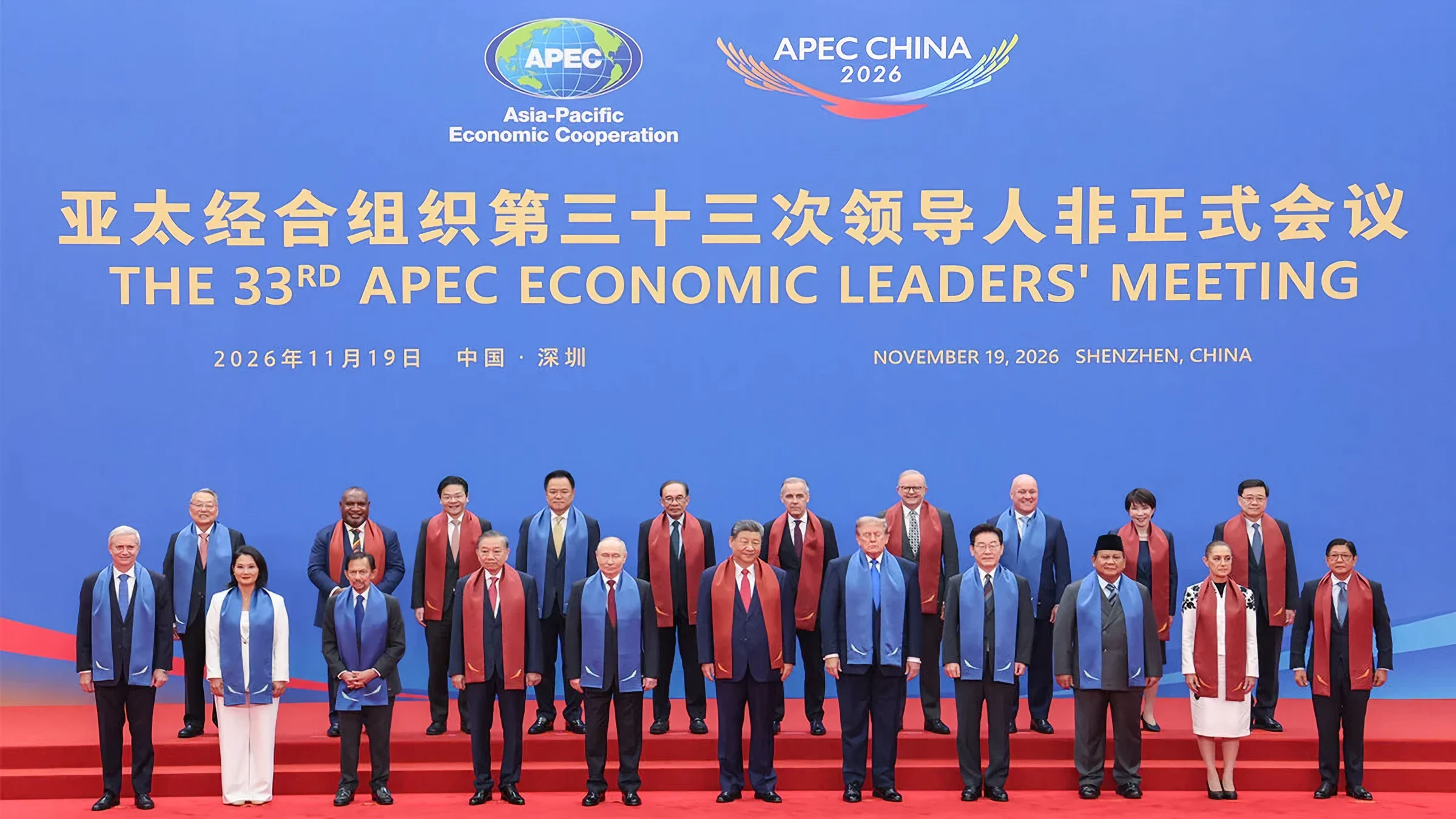
Korea's November summit week connected two different economic conversations. In Manila, President Lee Jae-myung discussed upgrading trade and cooperation with ASEAN. In Shenzhen, Korea and China announced the substantial conclusion of their FTA follow-up negotiations on services and investment. The shared theme was how Korean businesses can operate abroad, not simply how much they can ship.
The opportunity is broader than another export order. Better access can help a company build a local service, work with a production partner or invest in a lasting customer relationship. Our reading is that Korea is trying to connect its manufacturing strength with services, AI and creative businesses that need workable rules as much as they need recognition.
But the meetings did not create a single pot of investment money that can be assigned to Korean companies. Trade targets, negotiations, cooperation proposals and signed commercial contracts are different things. The investment case begins where a named business can show which barrier is changing, what it can do next and what that next step will cost.
Manila Put AI and Creative Industries Beside Trade
The 16 November presidential account confirms that Korea-ASEAN FTA upgrade talks had begun. It also records Korean proposals for new AI and cultural-creative-industry cooperation. ASEAN leaders welcomed continued cooperation and the special summit Korea will host in 2029. The USD 300 billion figure is an ambition for annual trade, not money pledged during the meeting.
For a creative company, this is a useful shift in the conversation. Overseas expansion can involve training, technology, local production and distribution rather than exporting a finished work once. A partnership that helps a local team make and sell its own product may last longer than a promotional visit. Whether it does depends on the commercial agreement, the audience and who is responsible for delivering the work.
Reported Metrics
- ASEAN trade ambition: USD 300bn. Annual two-way Korea-ASEAN trade objective reiterated at the summit; not exports alone or an investment commitment. Source 2
- China negotiation period: 8 years, 8 months. March 2018 launch to substantial conclusion in November 2026; some technical wording remained to be settled. Source 3
- People-to-people exchange goal: 13 million. Korea-China objective to restore the 2016 exchange level; not an achieved 2026 visitor count or a revenue forecast. Source 6
Shenzhen Addressed the Rules Behind the Opportunity
The China announcement concerns services and investment under an existing FTA, not a newly completed goods agreement. The trade ministry says negotiations began in March 2018 and reached substantial conclusion on 18 November. Some technical wording still required working-level discussion. The foreign ministry highlights content, tourism and legal services, alongside investment protection and regulatory transparency.
The ministry puts 2024 bilateral services trade at USD 38.8 billion, against USD 272.9 billion in goods. Its announced commitments include wider audiovisual co-production, outbound travel operations for Korean agencies established in 23 designated Chinese areas, and independent retail operations beyond 30 stores. Legal review, formal signing and entry-into-force procedures remain ahead. These are proposed operating changes to track, not permissions this article assumes are already available.
The commercial significance is predictability. A business considering a local office or joint project needs to understand what activity is permitted and whether the rules can be relied on. An improved framework can make a project easier to assess. It does not itself supply a licence, remove every sector restriction or ensure that a customer will pay. Published final terms and their implementation will matter more than a broad promise of openness.
- Trade ministry: substantial conclusion of Korea-China services and investment negotiations
- Ministry of Foreign Affairs: APEC summit outcomes
Follow the Projects, Not an Imagined Investment Total
The wider programme was practical as well as diplomatic. The foreign ministry describes cooperation with Thailand on a Korean-style industrial complex and faster CEPA negotiations; with the Philippines on infrastructure and future industries; and with Mekong partners on critical minerals and connectivity. At the APEC CEO Summit, Korea emphasised open trade and an AI innovation ecosystem.
These point to different kinds of investment. An industrial site needs utilities, tenants and permits. A digital service needs operating access, local customers and a workable delivery model. A cultural partnership needs rights, distribution and a budget. Adding the themes together would not produce a defensible investment figure. Each becomes investable only when the counterparties, funding and execution obligations become specific.
- Ministry of Foreign Affairs: ASEAN summit outcomes and bilateral cooperation
- Ministry of Foreign Affairs: APEC summit outcomes
What Would Make This a Successful Summit Week?
The Korea-China account also sets out an ambition to restore people-to-people exchanges to 13 million, the 2016 level. More movement can create openings for hospitality, retail and cultural businesses. It is still a goal, and total exchanges cannot be treated as tourists arriving in Korea or translated directly into spending.
The next evidence should be concrete: final agreement texts, effective dates, approvals for identifiable activities and projects with committed partners. For individual companies, repeat bookings, distribution agreements and paid deployments will be more informative than the number of meetings attended. Korea's role this week was to widen the space in which those decisions can be made. The strongest follow-through would be businesses using that space to build relationships that survive beyond the summit calendar.
- Presidential office: outcomes of the 27th Korea-ASEAN Summit
- Trade ministry: substantial conclusion of Korea-China services and investment negotiations
- Policy Briefing: Korea-China summit and people-to-people exchange objectives
Diplomatic progress can improve the setting for investment without producing immediate revenue. This analysis distinguishes negotiations and policy goals from rules already in force, funded projects and completed investment. It does not attribute earlier APEC announcements to the November 2026 meetings.
Primary Sources
- Trade ministry: substantial conclusion of Korea-China services and investment negotiations (2026-11-18)
- Ministry of Foreign Affairs: APEC summit outcomes (2026-11-20)