DSML Market Views Article
Samsung Ships HBM4, XCOPRI Wins Japan Approval and Crimson Desert Rewards Its Developers
A February memory shipment grows into October sales, a marketed Korean medicine reaches another approval, and Pearl Abyss rewards its launch team while continuing to update its games.
Hwang Chooses New Processes for a Product Customers Can Buy
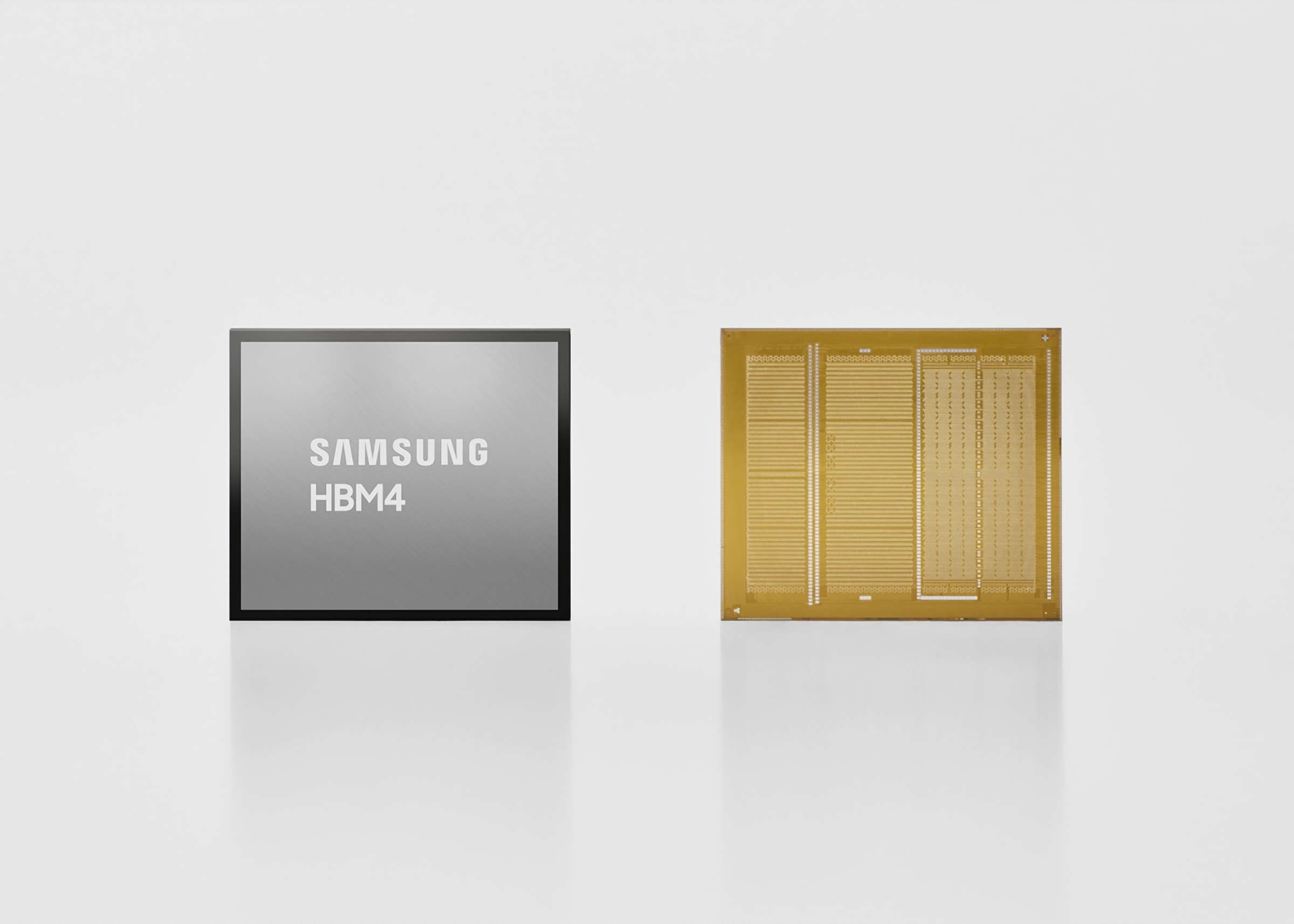
On 12 February 2026, Samsung announced that HBM4 had entered mass production and commercial products had shipped to customers. Memory-development head Sang Joon Hwang explained the decision to use 1c DRAM and a 4nm logic process instead of relying on older proven designs. The company had committed advanced manufacturing capabilities to the new memory generation.
The product's purpose was specific: move more data within the increasingly demanding systems used for AI. Samsung reported a consistent 11.7Gbps processing speed and described coordination across its memory, foundry and packaging capabilities. A component's performance depended on a production organisation that could deliver it repeatedly.
At that point, Samsung expected total HBM sales to more than triple in 2026. The forecast accompanied a completed shipment event and a plan to expand HBM4 capacity. Samsung was bringing its memory, foundry and packaging operations together around a product intended for the next generation of AI systems.
By October, HBM4 Sales Have Expanded
Samsung's 29 October results said HBM4 sales had scaled up significantly. The memory business achieved another record quarter, helped by its AI product mix and higher server-driven market prices. February's shipment was now part of a larger selling programme, as the company worked to supply customers within constrained manufacturing capacity.
The same update reported Q3 capital expenditure of KRW 29 trillion, including KRW 27.2 trillion in Device Solutions. January-September spending reached KRW 56.9 trillion across the company. The commitments covered a wider manufacturing business, with memory demand helping shape where the next resources would go.
The progression gives Hwang's earlier process decision a commercial setting. Samsung had chosen newer manufacturing nodes, shipped the product and increased sales. Its next task was to keep delivering while preparing further capacity. Production coordination, customer requirements and equipment investment continued after the first component left the factory.
Lee Dong-Hoon's US Franchise Keeps Growing While Marketing Continues
SK Biopharmaceuticals' August results showed a different kind of continuation. US XCOPRI revenue reached KRW 224.4 billion in Q2, up 45.6% year on year, and consolidated operating profit was KRW 97.1 billion. The company reported approximately 143,000 quarterly US prescriptions and 49,155 in June.
President Lee Dong-hoon described higher research and marketing expenditure alongside improving profitability. The company resumed an existing direct-to-consumer advertisement in April and introduced another in June, with further healthcare-professional and patient activity planned. The marketed medicine was still being introduced to people making treatment decisions.
Lee's company was also pursuing changes to the product itself. It had submitted a US application for a suspension formulation in March and was preparing applications to extend use to further seizure types and younger patients. Alongside that established franchise, research investment covered radiopharmaceuticals and targeted protein degradation. Continuing prescriptions were supporting a company with more scientific work ahead.
A Japanese Partner Takes the Medicine Through Another Approval
Ono's 16 September 2026 announcement extended the cenobamate story into Japan. President and chief operating officer Toichi Takino's company obtained manufacturing and marketing approval for Xcopri following a regional Phase 3 study. Its exclusive Japanese development and commercialisation licence with SK Biopharmaceuticals dated to 2020.
The study enrolled people whose focal seizures remained uncontrolled despite existing antiseizure medicines. Adjunctive cenobamate improved the primary seizure-frequency measure; dizziness and somnolence were the most common adverse events reported at an incidence of at least 20% in the treatment groups. The approval added a treatment option through a partner already responsible for the territory. It marked the outcome of years of local development, with commercial introduction the next task.
Crimson Desert Reaches Players After Years of Development
Pearl Abyss's May presentation reported five million Crimson Desert copies sold in 26 days after its March launch. Founder and development head Dae-il Kim and chief executive James Heo were overseeing a studio with its own engine and international publishing operations. A long creative and technical effort had reached a substantial buying audience.
The first-quarter accounts, ending before that 26-day milestone, reported continuing-operation revenue of KRW 328.5 billion and operating profit of KRW 212.1 billion. The release had changed the scale of the business. Its international publishing organisation was now supporting players entering a new world made with its proprietary engine.
The launch also brought a larger promotional effort. Q1 commissions were KRW 42.5 billion and advertising KRW 23.4 billion, both sharply higher than in the preceding quarter. Pearl Abyss's role extended from development into reaching the audience through platforms and campaigns. The creative achievement and the organisation taking it to players were developing together.
The Studio Rewards Its Team and Keeps Its Older World Running
In August, Pearl Abyss reported approximately 2.11 million further Crimson Desert copies sold during Q2 and KRW 136.1 billion of title revenue. Company-wide continuing-operation revenue was KRW 192.6 billion and operating profit KRW 67.6 billion. The opening surge had softened, while a substantial new group of players had arrived.
Labour expense rose to KRW 74.8 billion because the company paid performance bonuses following the launch. Commissions and advertising declined as the release period passed. Pearl Abyss was rewarding the people behind its new game while shifting the business towards post-launch operations.
Black Desert continued alongside it. The second-quarter account described class-balance work, changes to marketplace systems and rewards, and improvements to player matching and wars. Its mobile version marked its 3,000th day of service. These were concrete tasks for an established game with a continuing audience. Across the studio, commercialisation meant both welcoming new players and keeping an older world worth returning to.
A shipment, a medicine's continuing use and a game's release each create another chapter of work. Samsung is expanding manufacturing, SK Biopharmaceuticals and Ono are extending access to treatment, and Pearl Abyss is supporting players and rewarding its team after launch.