DSML Market Views Article
Agilent and Lunit Plan AI-Assisted Tissue Tests for Drug Research and Trials
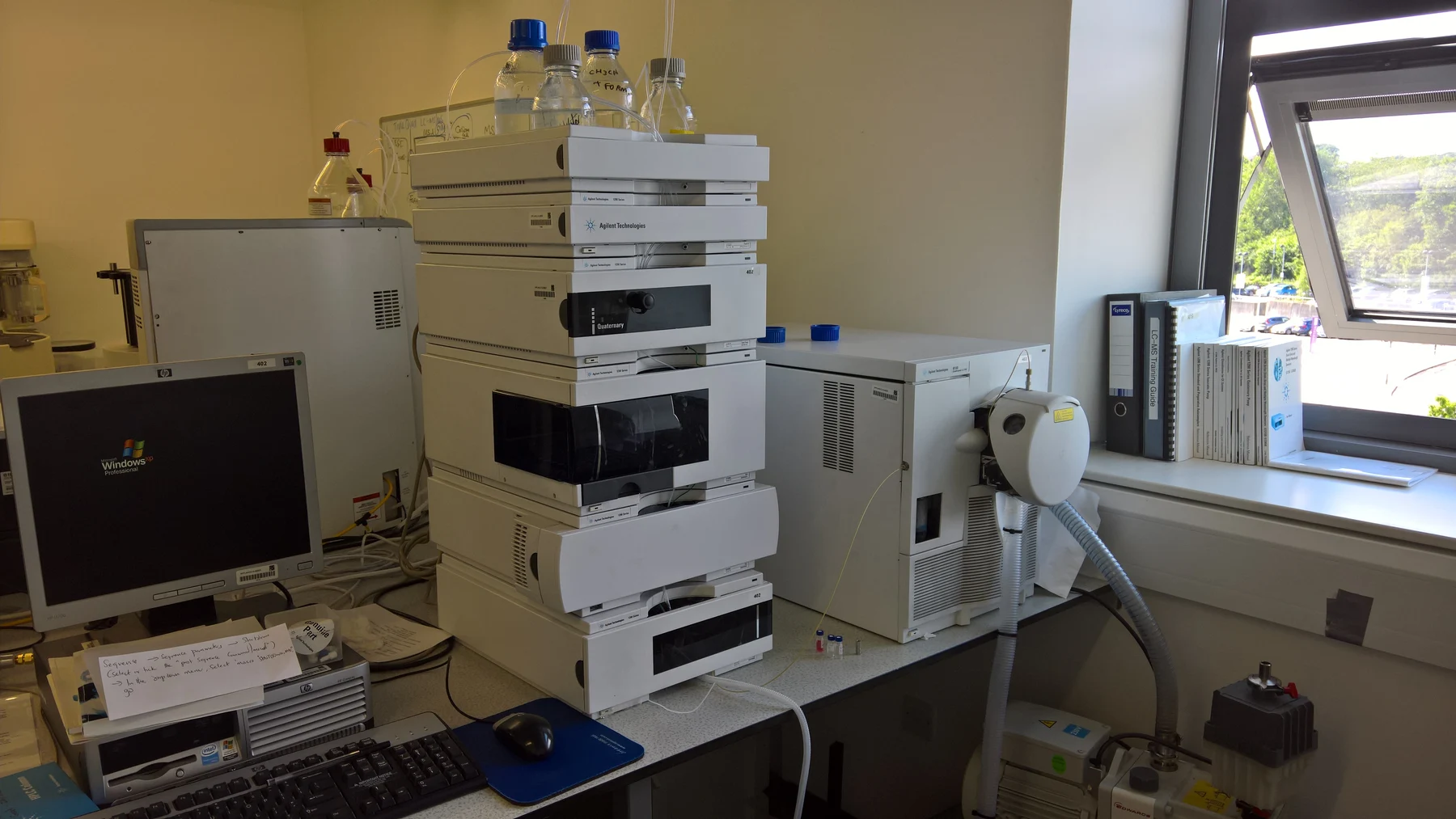
After Agilent's colorectal-cancer diagnostic approvals, Nina Green and Brandon Suh paired tissue assays with AI interpretation. Their September 2025 collaboration begins in pharmaceutical research and clinical trials.
Nina Green and Brandon Suh announced a nonexclusive Agilent-Lunit collaboration on 22 September 2025. Agilent's tissue assays and Lunit's image-analysis algorithms would be developed together, initially for pharmaceutical research and clinical trials. The decision followed a year in which Green's division had brought a separate colorectal-cancer companion diagnostic through American and European regulatory steps.
Agilent already worked with drug developers on tests that help identify patients for specific medicines. Lunit offered another way to interpret the tissue those tests examine. The September choice joined that assay-development experience to an AI business seeking a larger role in oncology research. It placed the partners around a shared measurement problem, before a finished joint product was ready for treatment decisions.
Lunit's April 2026 filing describes the Agilent project as joint algorithm development, running from May 2025 to May 2030. In the same contract table, AstraZeneca work earns analysis fees. The distinction reflects two actual customer relationships: building assays with a diagnostic developer and carrying out analyses for a drug company.
April's Symposium Put Digital Pathology Beside Drug Development
Agilent's programme for its 8 April 2025 symposium gave digital pathology a substantial afternoon session. Presentations on diagnostic and drug development led into a panel that listed Lunit's Siraj Ali with Merck Research Laboratories' Tom Richardson, Daiichi Sankyo's JD Alvarez, Visiopharm's Dirk Vossen and Agilent's Camilla Recke.
The planned discussion connected different parts of the same development process: a company creating image-analysis software, pharmaceutical researchers considering new treatments and specialists making diagnostic systems. Nina Green and Karina Kulangara were scheduled to close the day. Topics ran from emerging biomarkers and new therapeutic needs to image-based tissue measurement.
The symposium placed digital pathology alongside emerging biomarkers, tissue measurement and the needs of new medicines. Those were the clinical-development tasks around which Agilent and Lunit organised their September collaboration and its first assays.
Green's Division Had Just Advanced a Different Test With Bristol Myers Squibb
On 20 August, Green's division announced FDA approval of MMR IHC Panel pharmDx on the Dako Omnis automated staining system. Developed with Bristol Myers Squibb, the panel identifies mismatch repair deficiency in colorectal-cancer tissue, helping select patients eligible for Opdivo alone or with Yervoy.
The panel examines four proteins involved in correcting errors when DNA is copied. Loss of their function can identify a tumour characteristic relevant to immunotherapy. This was a defined clinical task, with a named tissue preparation, staining system and corresponding medicines. Green described the approval as giving clinicians an additional way to identify suitable patients.
Agilent followed on 2 September with European class C certification under the in vitro diagnostic regulation. The European indication linked the test to Opdivo with Yervoy. The laboratory system again formed part of the authorised product, showing how Agilent carried an assay from development into a specified treatment pathway.
The Bristol Myers Squibb panel was separate from the subsequent Lunit collaboration. Green's team had developed a tissue measurement with a pharmaceutical partner and supported it through regulation. Lunit was joining an organisation with that practical experience.
- Agilent / FDA approval of separate Bristol Myers Squibb MMR panel
- Agilent / European IVDR certification of separate MMR panel
Suh Brought Image Interpretation to the Next Development Choice
In September, Suh focused on a different difficulty within biomarker testing: much interpretation still depended on people reading the material manually. Agilent and Lunit proposed combining tissue-based assays with AI algorithms to evaluate increasingly complex biomarkers relevant to new therapies.
Green spoke about providing more advanced diagnostic tools to pharmaceutical partners. Suh's contribution was the interpretation layer, using software to extract information from the images the assay produced. The first work would be co-developed assays for research and clinical trials; the partners made the relationship nonexclusive.
A companion diagnostic has a particular job: FDA defines it by information essential to using a corresponding medicine safely and effectively. The partners' initial research assays would be developed while the therapies and biomarker measurements themselves were still being investigated. That placed their work inside the drug-development process.
- Lunit and Agilent / nonexclusive diagnostic development announcement
- FDA / companion-diagnostic definition and co-development framework
The Following Filing Set Out a Longer Research Relationship
Lunit's April 2026 registration filing subsequently gave the work a May 2025-May 2030 period. The earlier start places development before the September public announcement. The table identifies joint AI-algorithm development with Agilent, while describing several pharmaceutical customers' projects in terms of tissue analysis and fees.
In its business report covering the first quarter of 2026, Lunit described SCOPE's research-use business with pharmaceutical companies, research organisations and testing providers as a route towards clinical diagnostic applications. It reported KRW 10.101 billion of oncology-services revenue for 2025. That category supports several relationships, not an Agilent-only contract total.
Green and Suh had chosen a longer development relationship within that expanding research business. The choice gave each partner a specific task: Agilent's assay work would produce a laboratory measurement, and Lunit's algorithms would help interpret it. The next diagnostic would have to emerge from that combined work, with the pharmaceutical question shaping what they built.
- Lunit / public registration filing, research classifications and financial context
- Lunit / Q1 2026 business report, FY2025 segment results
Agilent's approved Bristol Myers Squibb panel demonstrates experience, not approval of the new AI assays. The Lunit project starts in research and trials, where the partners still have to establish which measurements are reliable and useful for the therapies being developed.
Primary Sources
- FDA / companion-diagnostic definition and co-development framework (2014-08-06 guidance; later updates)


