DSML Market Views Article
NAVER Brings Four Food-Delivery Robots to Office Floors at Tokyo Midtown Yaesu
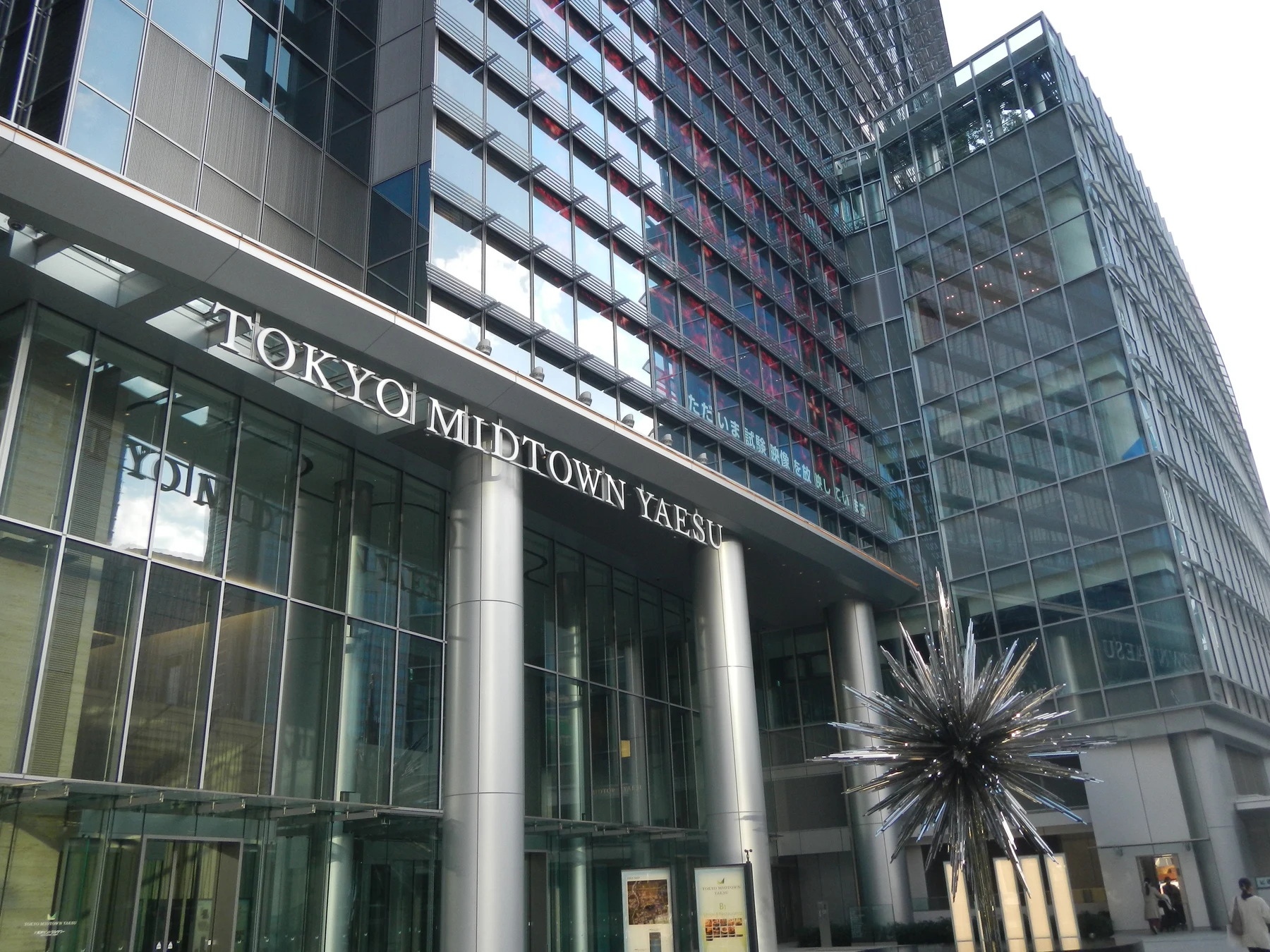
LINE orders linked five restaurants to an office floor at Tokyo Midtown Yaesu. The small fleet carried years of Korean operating experience into a building run by Japanese partners.
Mitsui Fudosan, NTT EAST and NAVER Cloud announced a food-and-drink delivery service at Tokyo Midtown Yaesu on 21 July 2026. Four robots would carry orders from restaurants on the first basement and fifth floors to Work Styling offices on the seventh. Customers ordered through LINE, while the robots used the building's doors and lifts to complete the route.
NAVER's achievement was taking a service developed inside its own headquarters into someone else's busy building. Mitsui operated the property service and NTT EAST handled local implementation and maintenance. NAVER supplied the robotics and control technology. The combination moved beyond a machine demonstration to connect restaurants, ordering, shared spaces and office recipients.
For Mitsui, the service offered office workers another way to buy from the restaurants in their building. For NTT EAST, it extended earlier digital-twin trials into an operating service. NAVER gained its first commercial reference for the 1784 smart-building model outside its own headquarters. The four-robot route gave those different interests one defined daily task.
An Office Lunch Had to Travel Between Floors
Tokyo Midtown Yaesu is a mixed-use complex connected to Tokyo Station, with offices, retail, a hotel, a bus terminal and an elementary school. Its users move through the building for different reasons throughout the day. Mitsui and NTT EAST had already been testing digital twins there, including delivery robots and indoor augmented-reality navigation.
The July service took one of those uses into operation. Five outlets were included: Frijoles, Potama, Torikai Sohonke, Shibiran Tantanmen and Tokyo Yaesu Chikaba Kitchen. Three robots were based on the first basement floor and one on the fifth. Their destination was the seventh-floor Work Styling offices.
An office worker placed an order in LINE. The restaurant prepared the food or drink, the robot collected it and travelled to the designated receiving point. Security doors and lifts were part of the same journey. The service linked a familiar messaging interface with restaurants already trading in the complex.
At the 21 July press event, the partners demonstrated the delivery service and indoor AR guidance. The first live delivery route had a specific size and purpose, while the demonstrations showed other uses for the spatial infrastructure being created around it.
- Mitsui Fudosan / joint service announcement and operating scope
- NAVER / external deployment and division of responsibilities
Reported Metrics
- Initial delivery robots: 4. Four robots specified for the initial Yaesu delivery route on 21 July 2026. Source 1
The Korean Headquarters Had Supplied Years of Exceptions
NAVER's 1784 headquarters opened in 2022 as a building deliberately designed for robots. Its April 2025 thousand-day account described around one hundred robots serving more than three thousand employees and over sixty thousand completed deliveries. The range included cafe orders, convenience-store purchases, lunch boxes, packages and items exchanged between employees.
Those services produced more than route maps. NAVER accumulated sensor, spatial and service-execution data, including routes that worked best at different times and recurring operating exceptions. It used the experience to improve navigation and task performance over years of everyday use.
Yaesu changed the setting. NAVER described the Tokyo deployment as its first commercial application of the 1784 model beyond its own building. The partners were adapting it to an existing property without dedicated robot lifts or the specialised infrastructure built into the Korean headquarters. The earlier operating experience now had to work with another owner's arrangements.
- NAVER / 1784 thousand-day account and accumulated deliveries
- NAVER / external deployment and division of responsibilities
ARC Connected the Map to Doors, Lifts and Individual Jobs
The system began with a digital twin of the building and definitions for routes and service points. NAVER LABS says it created a digital representation of every floor. That spatial model supplied a common map for the robots; updating the cloud map allowed the fleet to respond when the layout changed.
Rookie was the indoor delivery robot. ARC eye provided vision-based positioning, while ARC brain coordinated multiple robots and their tasks. When an order arrived, ARC assessed their locations and status, assigned the work and managed the movement from collection through inter-floor travel to delivery.
The difficult details were local. The deployment integrated freight lifts, automatic doors and access routes already used by the building. NAVER added guidance displayed on the robot's screen while in a lift, hazard-area emergency stopping without markers and recovery mechanisms for network disruption.
Building staff also needed to understand the equipment's state. NAVER describes an operating interface intended for people without robotics expertise, so they could recognise and respond to a robot's condition. The interface gave the property's own staff a role in monitoring the delivery service.
- Mitsui Fudosan / joint service announcement and operating scope
- NAVER / external deployment and division of responsibilities
- NAVER LABS / pilot-to-live-service account and positioning/control architecture
- NAVER / ARC Japan implementation, local adaptations and planned floor expansion
The Japanese Partners Took Responsibility for the Live Service
Mitsui's role was to provide the delivery service and coordinate it with the property's operation. NTT EAST designed and built the digital-twin environment and delivery-robot installation, then handled maintenance and operation. NAVER Cloud supplied the underlying physical-AI technology and technical support for control and operation. Its Japan Business Development team led the project using NAVER LABS technology.
The division followed the service's actual needs. Restaurant and office access belonged to the property, site work and maintenance to the Japanese implementation partner, and robot positioning and orchestration to NAVER. The export was a working arrangement among those participants as well as a set of Korean technologies.
NAVER LABS's July account set a further goal of deliveries on all floors by year-end. The partners also proposed building-management and indoor-navigation uses for the digital twin. At launch, the achievement remained the named restaurant-to-office route: a lunch or drink ordered through LINE could cross shared floors under the control of a system first developed at NAVER's headquarters.
- Mitsui Fudosan / joint service announcement and operating scope
- NAVER / external deployment and division of responsibilities
- NAVER LABS / pilot-to-live-service account and positioning/control architecture
- NAVER / ARC Japan implementation, local adaptations and planned floor expansion
All-floor delivery was a year-end expansion goal in NAVER's July account; the initial service covered the specified restaurant-to-Work Styling route.


