DSML Market Views Article
Hadlima's Global Sales Reach USD 231 Million in Nine Months With US Demand Still Growing
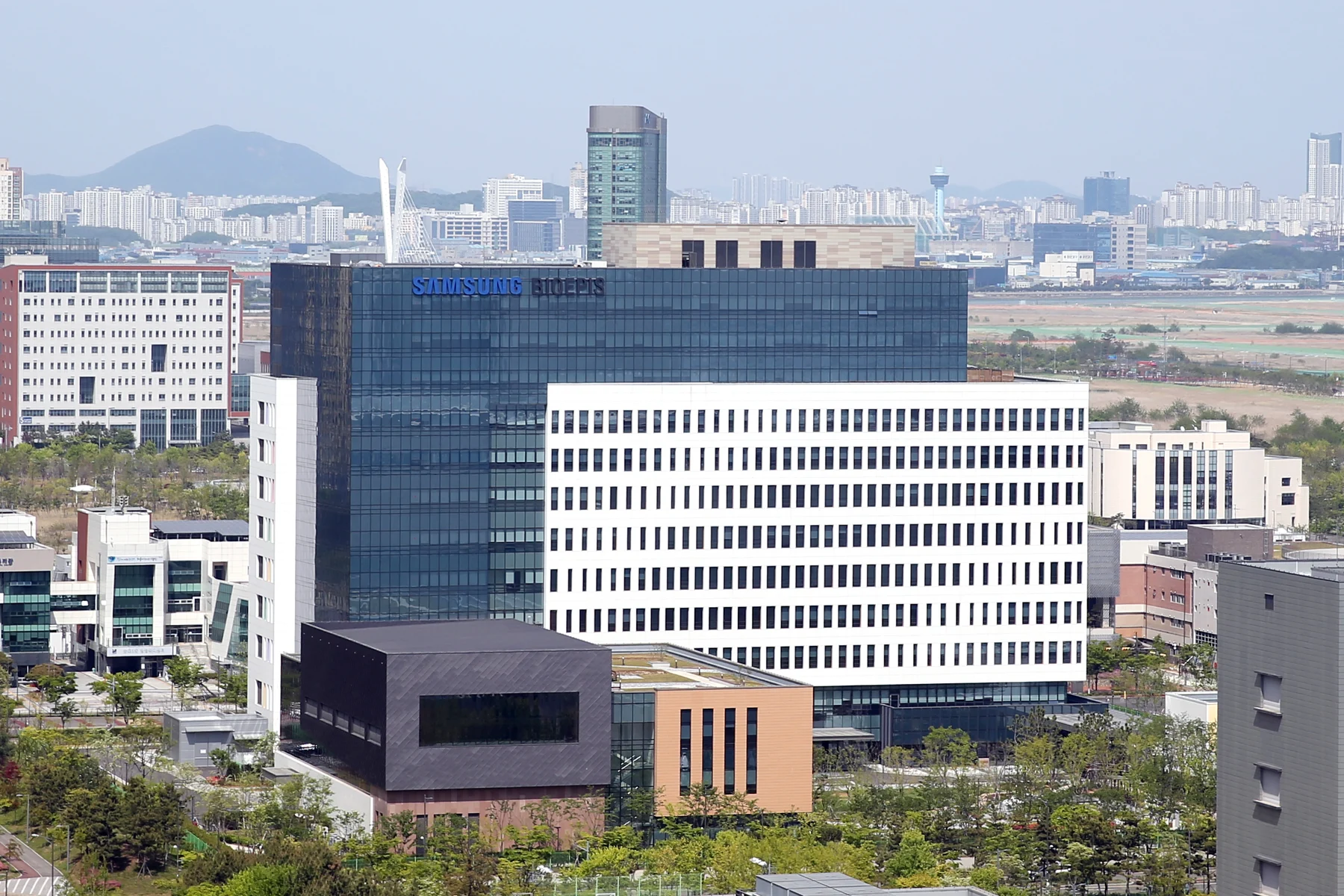
Bioepis and Organon completed Hadlima's interchangeable presentation range in May 2025. Autoinjectors and syringes widened the dispensing offer around a medicine whose American sales were already growing.
Bioepis and Organon announced additional Hadlima interchangeability designations on 27 May 2025. Organon later reported USD 228 million of worldwide 2025 sales. Its 30 October 2026 filing records USD 86 million for Q3 and USD 231 million for nine months, citing stronger US and Puerto Rico demand.
Organon's Jon Martin and Bioepis regulatory lead Byoung In Jung were broadening the practical choices around an existing medicine. The May designation brought more devices and concentrations into the substitution route, while Organon's subsequent accounts showed its American business continuing to expand.
Organon reported worldwide Hadlima sales of USD 228 million in 2025, up from USD 142 million in 2024. Its US sales increased from USD 104 million to USD 166 million. The commercial partner's growing business provided the setting for the work on additional presentations.
The Medicine Was Already Available in Two Concentrations
Hadlima had already been on the American market for almost two years when the partners announced the expanded designations on 27 May 2025. Its low-concentration formulations received FDA approval in 2019, followed by the high-concentration version in 2022. Both concentrations became commercially available in 2023. The partners were developing the range around a medicine that clinicians could already prescribe.
Organon's annual filing places the US launch in July 2023, under Bioepis's settlement with AbbVie. The partnership gave Organon commercial rights outside the EU, South Korea, China, Turkey and Russia. Within that defined arrangement, the American launch became an important source of growth. The next regulatory task was to make the substitution status as broad as the available product range.
Adalimumab-bwwd is a TNF blocker used in specified inflammatory conditions, including rheumatoid arthritis, Crohn's disease and plaque psoriasis. Hadlima references Humira. Additional devices and concentrations broadened the partners' dispensing offer for those established treatment needs, giving prescribers and pharmacists more presentations of the same biosimilar.
- Organon and Samsung Bioepis / expanded HADLIMA interchangeability
- Organon / FY2025 Form 10-K, rights and product status
May Added Autoinjectors and the High-Concentration Syringe
The May announcement added high- and low-concentration autoinjectors, at 40 mg/0.4 mL and 40 mg/0.8 mL, and the high-concentration prefilled syringe. The low-concentration syringe and single-dose vial had received their interchangeability designations in June 2024. Together, the decisions covered the reference product's full presentation range described by the companies.
Jung, Bioepis's vice-president and regulatory-affairs team leader, emphasised the company's continuing access work. He also explained that both ordinary and interchangeable biosimilars have no clinically meaningful differences in safety, purity and potency from their reference product. The distinction mattered at dispensing: the presentation a patient used could now carry the additional substitution designation.
The Switching Study Supported the Wider Offer
Bioepis supported the designation with a randomised, double-blind study in patients with moderate-to-severe chronic plaque psoriasis. One group switched between EU-sourced Humira and high-concentration SB5, Bioepis's development code for the biosimilar. The other continued Humira. Researchers examined drug exposure alongside efficacy, safety and immune responses.
The study found comparable primary pharmacokinetic endpoints and comparable efficacy, safety and immunogenicity profiles. Additional studies supported the autoinjectors. The practical question was whether people could move between the products with comparable treatment performance, not whether Hadlima could outperform Humira. That evidence gave the expanded range a clinical foundation.
The treatment still required care around infection. The product information calls for testing for latent tuberculosis before use and during therapy, with latent infection treated before starting Hadlima. It warns against starting during an active infection and calls for stopping the medicine if a serious infection or sepsis develops. Those responsibilities continued as the partners widened the dispensing route.
Martin Took the Broader Range to the Pharmacy
Martin, Organon's US commercial lead for biosimilars and established brands, linked the designation to potential savings and access. A pharmacist could substitute an eligible presentation without consulting the prescriber, subject to state pharmacy law. Completing the range made that route relevant to more of the devices and concentrations in the partnership.
FDA's explanation places the change within ordinary treatment choices: a patient might switch because their insurance coverage changed or because a biosimilar cost less. The federal designation establishes eligibility for pharmacy-level substitution, while state law governs its operation. The new status therefore connects Bioepis's regulatory work to decisions being made at the point of dispensing.
- Organon and Samsung Bioepis / expanded HADLIMA interchangeability
- FDA / interchangeability and pharmacy substitution
The Filings Show Growth Continuing Into September 2026
Organon's annual results subsequently gave the partnership an operating outcome. Worldwide sales rose to USD 228 million in 2025 from USD 142 million a year earlier. Management described the continuing US ramp after July 2023 and more modest demand growth in Canada and Puerto Rico. American sales alone reached USD 166 million, compared with USD 104 million in 2024.
The 30 October 2026 quarterly filing showed that demand was still building. Worldwide Hadlima sales reached USD 86 million in the third quarter against USD 63 million a year earlier, and USD 231 million over nine months against USD 159 million. Organon attributed the growth to stronger demand in the US and Puerto Rico.
Those results extend the partnership's story from first availability to a broader presentation range and a larger continuing business. The filings do not isolate the contribution of interchangeability to sales growth. What they establish is that Organon was expanding demand for the product while Bioepis completed the regulatory work that made its different forms easier to substitute.
- Organon / FY2025 Form 10-K, rights and product status
- Organon / Q3 2026 Form 10-Q, product sales and geographical demand
The added designation leaves adalimumab's clinical risks in place. Hadlima's safety information warns of serious infections and malignancies, including fatal cases; patients need the same clinical attention whichever approved presentation is supplied.


