DSML Market Views Article
Teva Launches Epysqli at 30% Below Soliris List Price and Gains Final FDA Interchangeability
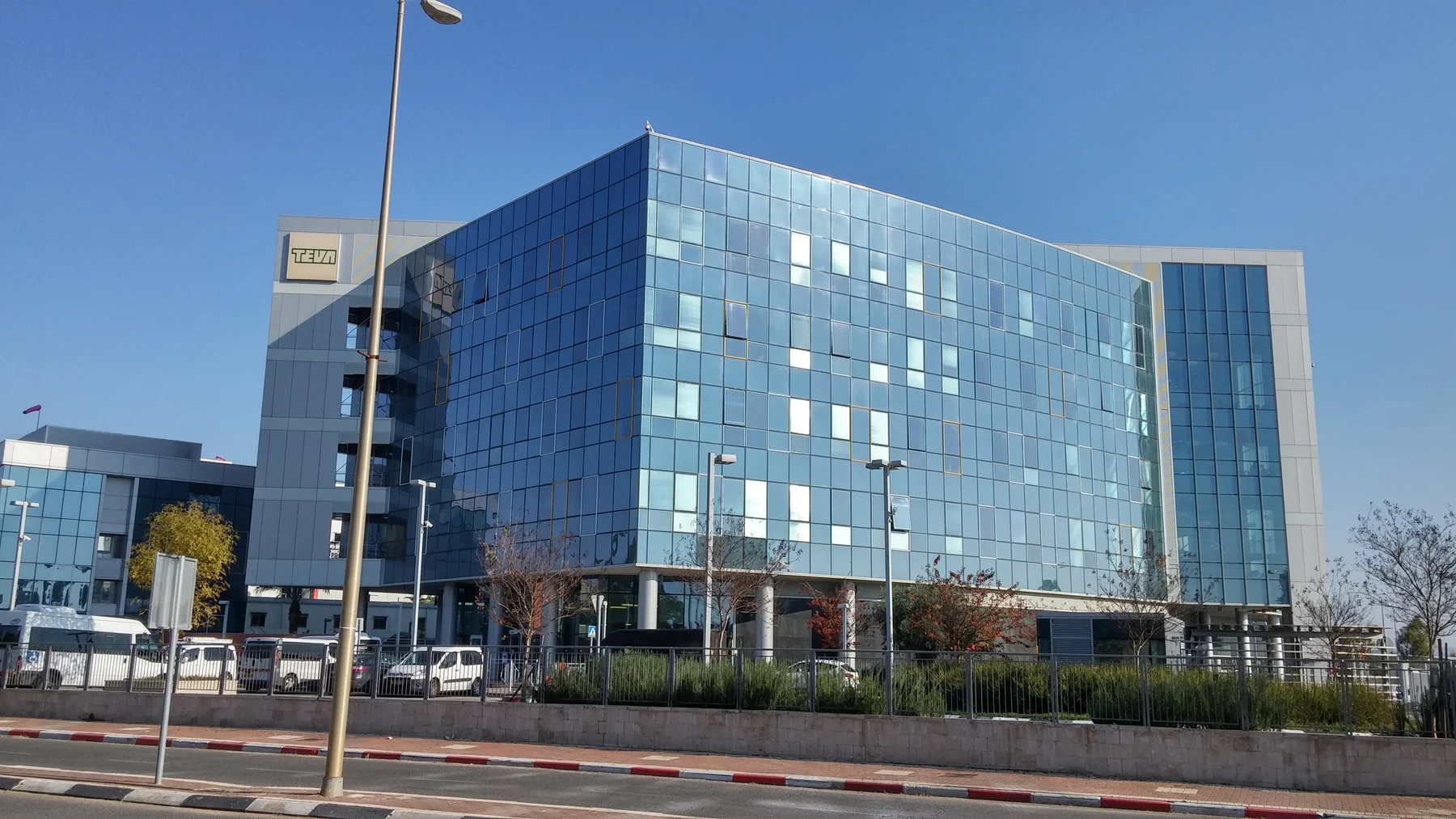
Bioepis kept development and supply while Teva took the US commercial role. The rare-disease launch combined a lower published price with an obligatory safety programme; a later FDA letter completed the interchangeability step.
Bioepis and Teva announced their US Epysqli agreement on 10 January 2025 and availability on 7 April at a WAC 30% below Soliris. Interchangeability was provisional at launch. FDA's later letter, signed on 28 November 2025, approved the product as interchangeable.
Kyung-Ah Kim and Chris Fox's January partnership supplied an American commercial team for Bioepis's rare-disease medicine. Thomas Rainey and Linda MacDonald introduced the resulting offer in April: another source of eculizumab, a lower published price and a specialist safety programme. Final interchangeability followed in November.
Teva took US commercialisation, using its existing sales and marketing infrastructure, while Bioepis retained development, regulatory registration, manufacture and supply. The partners did not publish their payment terms. The April launch positioned Epysqli at a wholesale acquisition cost 30% below the reference product's list price.
Kim and Fox Divided the American Product Work
The 10 January 2025 agreement paired Bioepis president and chief executive Kyung-Ah Kim with Chris Fox, Teva's executive vice-president for US commercial operations. Kim described rare-disease patients facing high treatment costs and limited availability. Fox wanted to add the medicine to Teva's biosimilar portfolio under its Pivot to Growth strategy. They were bringing different parts of a supplied treatment together: product development and manufacture on one side, American selling and marketing on the other.
Epysqli had already passed important regulatory steps. FDA approved it in July 2024 for paroxysmal nocturnal haemoglobinuria, or PNH, and atypical haemolytic uraemic syndrome, or aHUS. An indication for generalised myasthenia gravis followed in November for adults positive for anti-acetylcholine-receptor antibodies. January's partnership supplied the commercial route for those authorised uses.
Bioepis also brought experience of supplying the medicine elsewhere: Epysqli had been available in Europe since July 2023 and Korea since April 2024. Teva brought its American commercial infrastructure. The division of responsibility gave the US programme a local operator while leaving the Korean developer responsible for maintaining and supplying the product.
April's Launch Put a Published Price Behind the Partnership
On 7 April, Teva and Bioepis announced US availability. Rainey, Teva's senior vice-president for US biosimilars, presented a new option for underserved rare-disease communities. MacDonald, Bioepis's global commercial head, stressed early access, dependable supply and working with Teva. Their April offer brought the January partnership into delivery to patients, payers and healthcare professionals.
The launch price was a wholesale acquisition cost 30% below Soliris. That was a concrete list-price offer for a medicine used in serious, continuing illnesses, although an insured patient's bill would depend on their coverage. It put a price behind Kim and Fox's stated access ambition and gave Teva a specific offer to take to the market.
John Rim's 23 April Samsung newsletter subsequently recorded the launch among Bioepis's achieved milestones. The quarterly account placed it beside the earlier January partnership. The progression was straightforward: a medicine with US approval acquired a commercial partner, reached the market and became part of the supplier group's account of work completed.
- Teva and Samsung Bioepis / 7 April US availability, 30% WAC discount and provisional interchangeability
- Samsung / dated confirmation of April US launch
The Launch Also Required a Restricted Safety System
Epysqli blocks complement C5, part of the immune system, and is given by intravenous infusion. In PNH its authorised purpose is to reduce the destruction of red blood cells; in aHUS it inhibits complement-mediated thrombotic microangiopathy. Its gMG use is limited to the specified antibody-positive adult population. It is not indicated for Shiga-toxin E. coli-related haemolytic uraemic syndrome.
The same mechanism brings a serious safety responsibility. The launch notice carried a boxed warning for life-threatening and fatal meningococcal infections. It required completing or updating meningococcal vaccination at least two weeks before the first dose, unless delaying therapy posed a greater risk. For urgent treatment in someone not up to date with vaccination, the notice provided for antibacterial prophylaxis and prompt vaccination. Vaccination itself does not eliminate the infection risk.
These requirements were organised through Epysqli's Risk Evaluation and Mitigation Strategy. Prescribers had to enrol, assess vaccination status, counsel patients and provide educational material. Dispensing healthcare settings and pharmacies had to be certified and check the prescriber's certification. Patients were instructed to carry a safety card during treatment and for three months afterwards. Commercial availability therefore meant putting a specialist medicine into a continuing system of clinical support, not simply shipping a cheaper vial.
November's FDA Letter Completed the Previously Provisional Designation
April's announcement described interchangeability as provisional, pending expiry of the first interchangeable biosimilar's exclusivity. Bioepis subsequently submitted an amendment on 8 August asking FDA to approve the designation after that provisional determination. This regulatory work continued after Teva had begun commercialisation.
FDA deputy director Tanya Wroblewski signed the final letter on 28 November 2025. It approved the interchangeability component for Epysqli's 300 mg/30 mL intravenous vial referencing US Soliris, effective that day. The original biosimilarity approval remained a separate component of the application. The sequence explains how the product could already be marketed while the additional designation was still pending.
The letter retained REMS and continuing safety-reporting requirements. Its action extended the regulatory standing of the same medicine without changing the infection precautions around treatment. By November, the two companies had moved from allocating their roles to supplying a marketed US product with final interchangeability. For Bioepis, the achievement joined its manufacturing and regulatory work to a partner capable of bringing the medicine into American specialist care.
Complement inhibition carries a serious meningococcal-infection risk even after vaccination. Access therefore depends on more than price: patients and clinical teams must be supported through the restricted safety programme.
Primary Sources
- Teva and Samsung Bioepis / US EPYSQLI agreement (2025-01-10)
- Samsung / dated confirmation of April US launch (2025-04-23)


