DSML Market Views Article
Chipotle Opens in Seoul; Seoul Becomes the Starting Point for the Next Stores
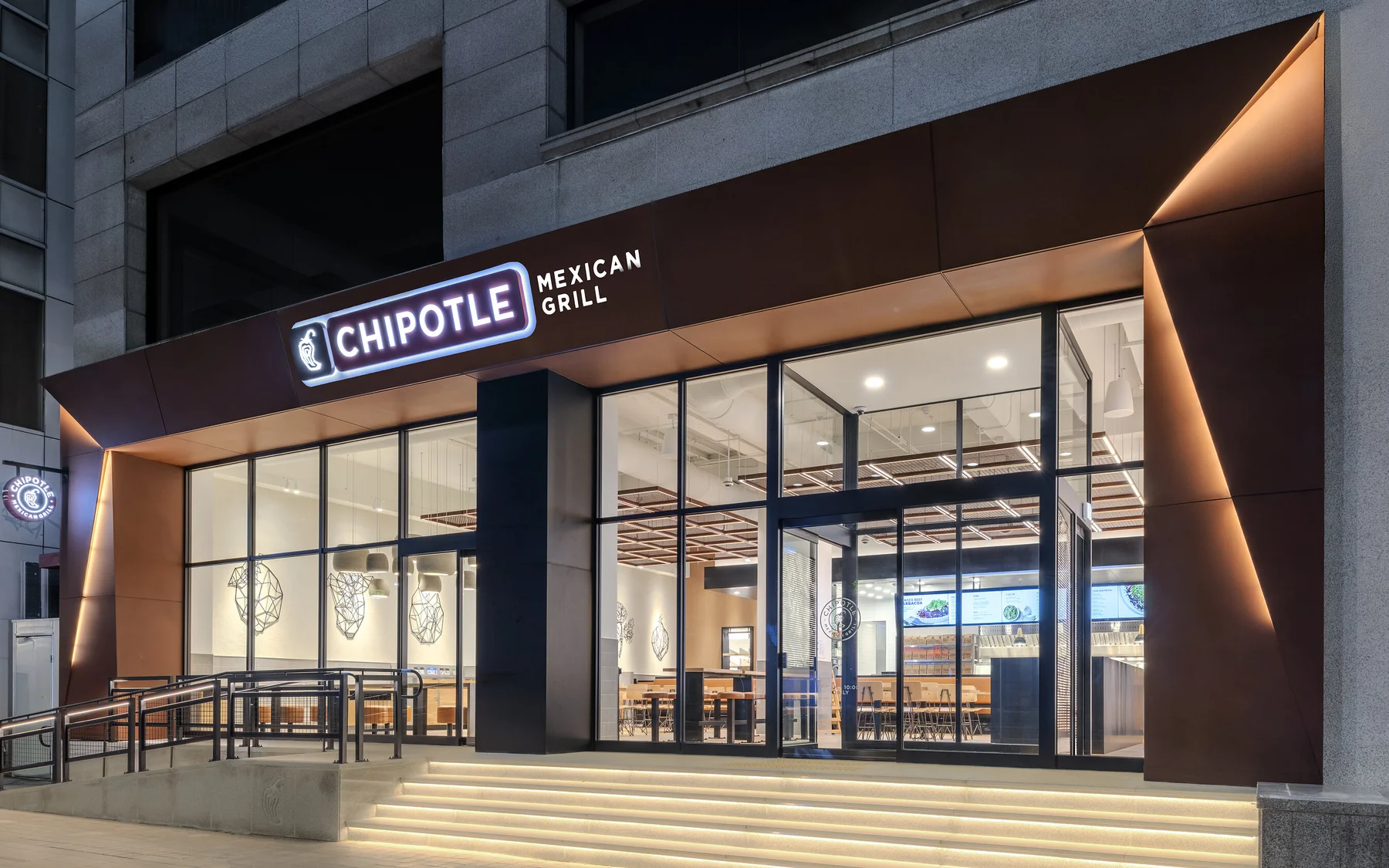
Hee-soo Hur's Korean restaurant organisation turned a 2025 joint venture into a Gangnam opening. The new shop brings Chipotle's preparation and customer choices into a local operation before the partners move towards Singapore.
Chipotle opened at 423 Gangnam-daero in Seoul on 2 September 2026, nearly a year after announcing its Korean partnership. Customers could choose burritos, bowls, tacos, quesadillas and salads through an operation run with Sangmidang Holdings, formerly SPC Group. Hee-soo Hur presented the arrival around individual choice: bringing the familiar meal to Korea also meant bringing its preparation, staff training and ingredient sourcing.
The consequential decision was the partnership behind the address. Chipotle supplied its food format and cooking standards; the Korean organisation undertook the work of putting them into daily service. That combination makes the Seoul opening a specific development in Korean foodservice: a group experienced in introducing overseas brands is now responsible for another company's freshly prepared menu. Its contribution extends from choosing and preparing ingredients to teaching the team that serves them.
The opening gave the joint venture, S&C Restaurants Holdings, its first South Korean restaurant. Big Bite Company, Sangmidang's restaurant-focused affiliate, operates the Korean business through that vehicle. The September programme then proposed two additional Korean locations before year-end and a first Singapore restaurant in 2027. The immediate operating task was therefore concentrated in Seoul, with further openings scheduled after the initial launch.
Boatwright and Hur Choose an Operating Partnership
Scott Boatwright and Hur announced the venture on 10 September 2025. Boatwright emphasised variety and convenience; Hur argued that familiarity with Chipotle would help introduce it locally. Both Korea and Singapore were initially intended to receive restaurants during 2026. The agreement placed a local restaurant organisation alongside Chipotle's own development team, led by chief business development officer Nate Lawton.
SPC already had experience introducing Baskin-Robbins, Dunkin', Pascucci, Jamba and Shake Shack to Korean customers. That history gave the new venture an organisation accustomed to representing a foreign food brand while running stores locally. The partners were choosing an existing body of restaurant experience, with the ability to translate a menu and its routines into a new setting.
Korean Fans Had Encountered the Meal Abroad
The partnership announcement described a form of familiarity that had developed before a Korean restaurant existed. Korean pop artists had talked about eating Chipotle while in the United States. The company recalled temporarily changing its social-media name after an artist called it Chicotle, then working with a fan account on food giveaways. It also pointed to a later girl-group mention of wanting access to the food in Korea.
Those exchanges explain why the opening could carry recognition across borders before a local team had served a meal. They also reveal the limitation of that route: a travelling artist can make a name familiar, but an ordinary Korean customer still needs a restaurant nearby. The venture's practical achievement was to give that existing attention a local place to go.
An Earlier Partner Opening Had Made Ordering Part of the Job
Chipotle had already worked with Alshaya on its Kuwait entry. The April 2024 announcement described a restaurant operating with adjusted hours for holidays and training before its formal grand opening. Customers could use the ingredient-by-ingredient service line, explore the menu at a kiosk or order through an app reached by a table's QR code. Different ordering routes helped introduce the meal to people encountering it for the first time.
Lawton said the partners would continue learning about local preferences. That earlier opening offers useful context for the Korean arrangement: expansion required an operator to organise both the kitchen and the customer's first encounter with the menu. Seoul has its own operation and customers, but the development team was bringing experience of working through a partner into another market.
The Gangnam Shop Brings the Preparation With the Name
The September 2026 announcement assigned Sangmidang responsibility for sourcing, cooking methods, team training and restaurant operations. Chipotle described ingredients being chopped, seasoned and grilled in the restaurant throughout the day. Its preparation standard was part of what the Korean team had to deliver, alongside the customer's ability to assemble a meal from familiar recipes.
Hur's explanation focused on the freedom to make that meal fit an individual taste. A bowl and a burrito offer different ways to use the same food preparation, while the wider menu gives several routes into the brand. The operating partnership has to make those choices manageable at the counter. Training therefore belongs inside the product proposition: the experience depends on people who can prepare the food and help a customer put an order together.
The Korean organisation had also changed its name by opening day. Chipotle identified Sangmidang Holdings as the former SPC Group and described Big Bite's role within the arrangement. The continuity was the restaurant experience behind it. The new name appeared alongside an actual Seoul address, a defined menu and responsibilities assigned to the local team.
Reported Metrics
- First South Korean restaurant opening: 2026-09-02. Seoul restaurant opening reported by Chipotle on 2 September 2026. Source 1
- End-2026 plan in opening release: 2 more Korean locations. Additional South Korean locations planned by the end of 2026 in the 2 September opening announcement. Source 1
- Updated Singapore opening target: 2027. First Singapore restaurant planned for 2027 in Chipotle's 2 September 2026 update. Source 1
Seoul Becomes the Starting Point for the Next Stores
At opening, the partners scheduled Singapore for 2027, later than the original two-country 2026 programme. They also set out the two further Korean locations. Chipotle described Korea as a reference market for its subsequent Asian development. That gives the first restaurant a practical purpose beyond a ceremonial arrival: it is where the partners begin running the format together.
Gangnam established the Korean operation first, with the Singapore restaurant scheduled for 2027. Further sites would carry the same need for sourcing, trained teams and reliable preparation into another location. Gangnam supplied the first working example. The partnership's next stage is to extend that operating organisation while keeping the individual choice that Hur made central to the opening.
- Chipotle / Seoul Opening and Korean Operations, 2 September 2026
- Chipotle / SPC Joint Venture, 10 September 2025
Recognition earned abroad can bring a customer to the first visit. The continuing reason to return has to be the meal and the service delivered by the Korean team. The opening turns that responsibility from a partnership promise into everyday restaurant work.
Primary Sources
- Chipotle / SPC Joint Venture, 10 September 2025 (2025-09-10)
- Chipotle / Kuwait Partner Opening, 22 April 2024 (2024-04-22)


