DSML Market Views Article
Deconstructing Hyper-Luxury: The Aman Nai Lert Bangkok Paradigm
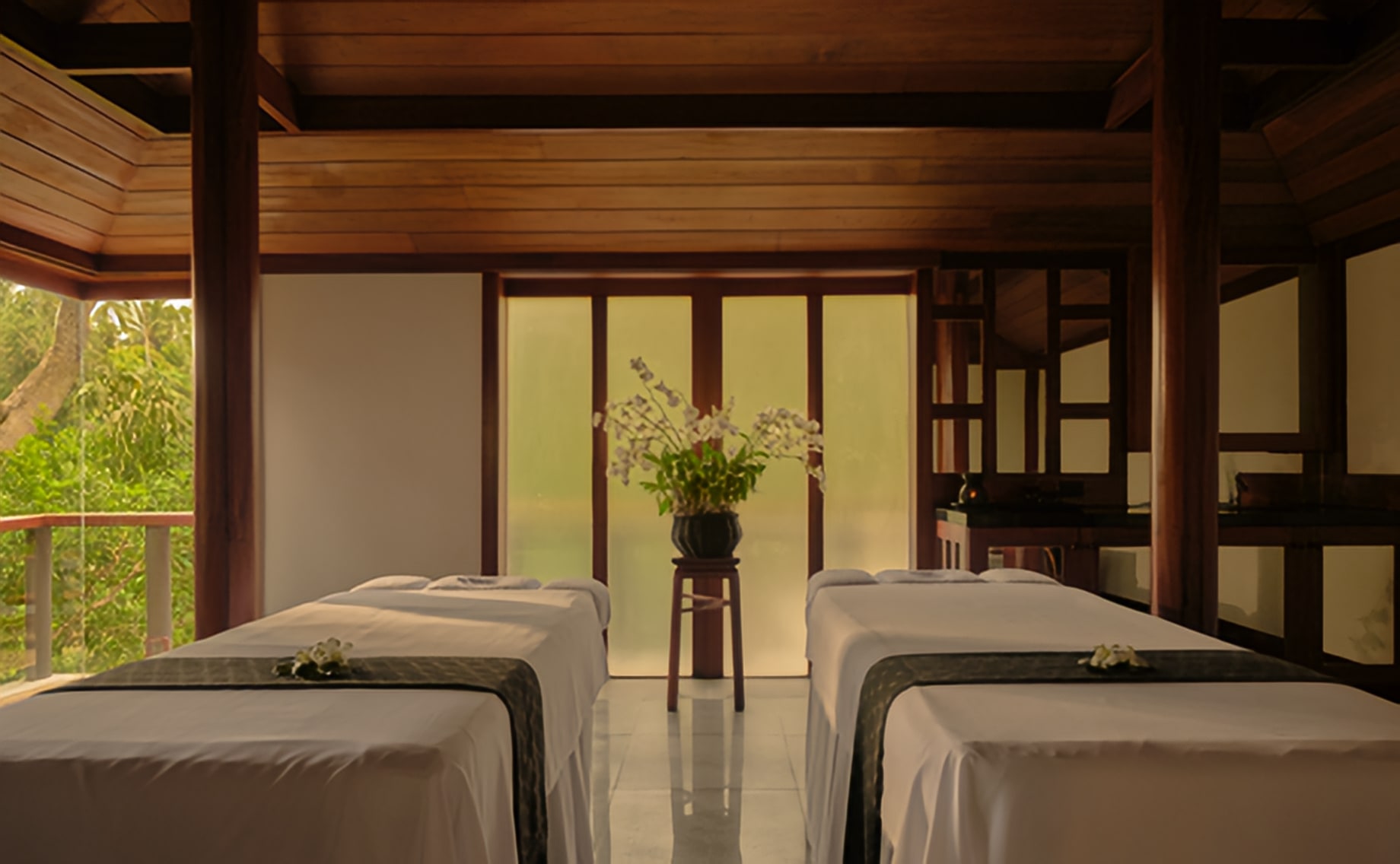
The unveiling of the Aman Nai Lert in Bangkok serves as an architectural masterclass in the translation of deep historical heritage into ultra-luxury spatial commerce.
Translating Heritage into High-Yield Aesthetics
The unveiling of the Aman Nai Lert in Bangkok serves as an architectural masterclass in the translation of deep historical heritage into ultra-luxury spatial commerce. Situated in the dense, hyper-developed urban core of Bangkok, surrounded by high-rise condominiums and diplomatic embassies, the property radically contrasts its environment by leveraging the legacy of the Nai Lert family. Known as pioneers of Thai infrastructure, the family's decision to preserve their private park as an urban oasis forms the philosophical bedrock of the hotel's design.
The architectural execution avoids the ostentatious, shiny materials typical of conventional luxury, which often induce visual fatigue. Instead, the design leans heavily on traditional Thai elements, executing them with profound subtlety. The reception desk features a massive wooden sculpture mimicking the traditional Thai top, simultaneously representing the Thai numeral "1" to honor the Nai Lert family's pioneering status. Gold leaf is used sparingly but deliberately, adhering to the Thai tradition of denoting the sacred, such as the 300 gilded leaves suspended to mimic traditional water-floating lanterns.
The Mechanics of Spatial Exclusivity
The defining metric of hyper-luxury, as demonstrated by the Aman Nai Lert, is the maximization of spatial volume per capita. While standard luxury hotels rely on an inventory of hundreds of rooms to drive revenue, Aman restricts its offering to a mere 52 suites, each averaging 94 square meters. Assuming a standard occupancy rate, the property hosts perhaps 50 to 100 guests at any given time. This extreme reduction in population density eliminates the frictions of hospitality—crowded lobbies, waiting for elevators, or ambient noise—replacing them with an atmosphere of profound serenity and instantaneous, anticipatory service.
The architectural layout enforces this exclusivity. The hotel radically dispenses with the traditional, space-saving hotel corridor. By relocating linen rooms and service areas to lower floors, the architects created a layout where guests step from the elevator into private "zen gardens" before entering their suites, simulating the experience of crossing a traditional courtyard. Inside, technological solutions like rollable, pop-up televisions are employed to ensure that furniture orientations prioritize the panoramic views of the heritage park rather than a blank wall.
Engineering the Oasis
The physical engineering required to maintain this illusion of an untouched oasis is staggering. The centerpiece of the 9th-floor infinity pool is a preserved tree, over a century old, predating even the original Nai Lert heritage house. The preservation of this tree required isolating its root system, which extends seven to eight meters deep, and meticulously managing its hydration and pruning during multiple phases of construction—a massive technical and financial undertaking justified purely by the conceptual integrity it brings to the space.
Furthermore, the manipulation of light and boundary defines the psychological comfort of the space. The pool area utilizes an innovative double-louver system. Rather than relying on a single, deep louver to block the harsh tropical sun—which creates a static, uninteresting shadow—the architects deployed a dual-layered system. As guests move, the overlapping layers create a moire effect, perfectly simulating the dynamic, dappled sunlight of walking beneath a dense forest canopy. Similarly, the Italian restaurant utilizes black-bottomed water features to create an illusion of infinite depth, utilizing stepping stones rather than continuous bridges to force a psychological transition as guests enter the dining sanctuary. The ultimate motif is the 3-tiered well ceiling found in the 19th-floor clubhouse, a direct, yet abstracted homage to the overlapping, monsoon-resistant roofs of the original Nai Lert heritage house below.
The Monetization of Exclusivity and Privacy
The Aman Nai Lert Bangkok phenomenon signals a paradigm shift in real estate and hospitality investing. Ultra-high-net-worth individuals are no longer purchasing square footage; they are acquiring highly curated, unreplicable community access and privacy. Developers who pivot from mere construction to absolute experiential curation will command unprecedented yield compression.