DSML Market Views Article
For K-Culture to Become Tourism It Must Exit Seoul
President Lee Jae-myung announced targets at the National Tourism Strategy Conference. Foreign tourist visitors: 30 million. This represents 60%+ growth from 2025's estimated 18.7 million.
30 Million Visitor Target
President Lee Jae-myung announced targets at the National Tourism Strategy Conference. Foreign tourist visitors: 30 million. This represents 60%+ growth from 2025's estimated 18.7 million. This target's core strategy converged to single point: Seoul-concentrated tourism structure must distribute nationwide. Currently approximately 80% of foreign visitors to Korea stay in Seoul. Incheon Airport entry, Myeongdong shopping, Han River park visits, K-pop merchandise purchases, departure describes typical current Korean inbound tourism pattern. While pattern persists, tourism growth benefits Seoul's major hotels and Myeongdong's commerce. Provincial economies receive minimal warmth.
Infrastructure Precedes
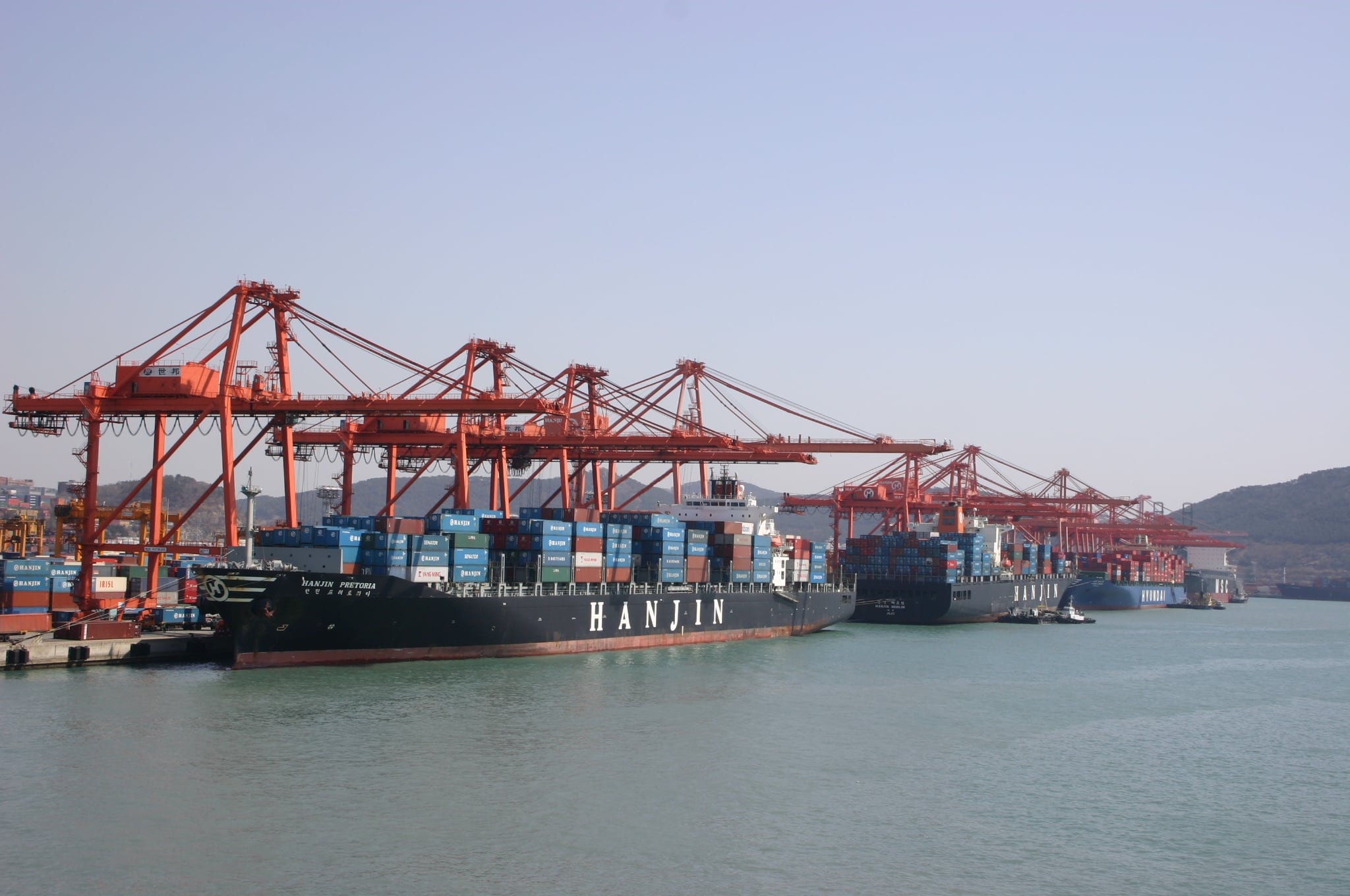
The president announced concrete provincial tourism activation infrastructure policy. Provincial airport international route expansion, 24-hour cruise terminal operation, expanded automated immigration processing. These three's commonality: creating "provincial visitation routes without Seoul transit." Currently Korea's provincial airports feature severely limited international networks. Direct routes to neighboring Asian cities like Tokyo, Osaka, Shanghai, Hong Kong remain absent or minimal. Foreign visitors desiring Busan or Jeonju destinations as Korea objectives almost necessarily require Incheon transit. Without structural change, provincial tourism activation encounters structural limits.
Bag Charges: Trust Issue's Core
The president specially emphasized bag charges' elimination at this conference. Direct tourism visitor traffic termination's primary cause. Tourist experiences transmit real-time globally through SNS. Individual visitors' unfair bag charge experience shared on Instagram reaches tens of thousands. Negative experience transmission proves far more potent than positive. Trust constitutes tourism industry's most crucial asset. Japanese tourism's global visitor highest satisfaction stems partly from predictability. Menu pricing matches actual charges; taxi meters operate honestly; service provision matches promises. This predictability creates trust sustaining revisits.
Provincial Culture Assets' Genuine Value
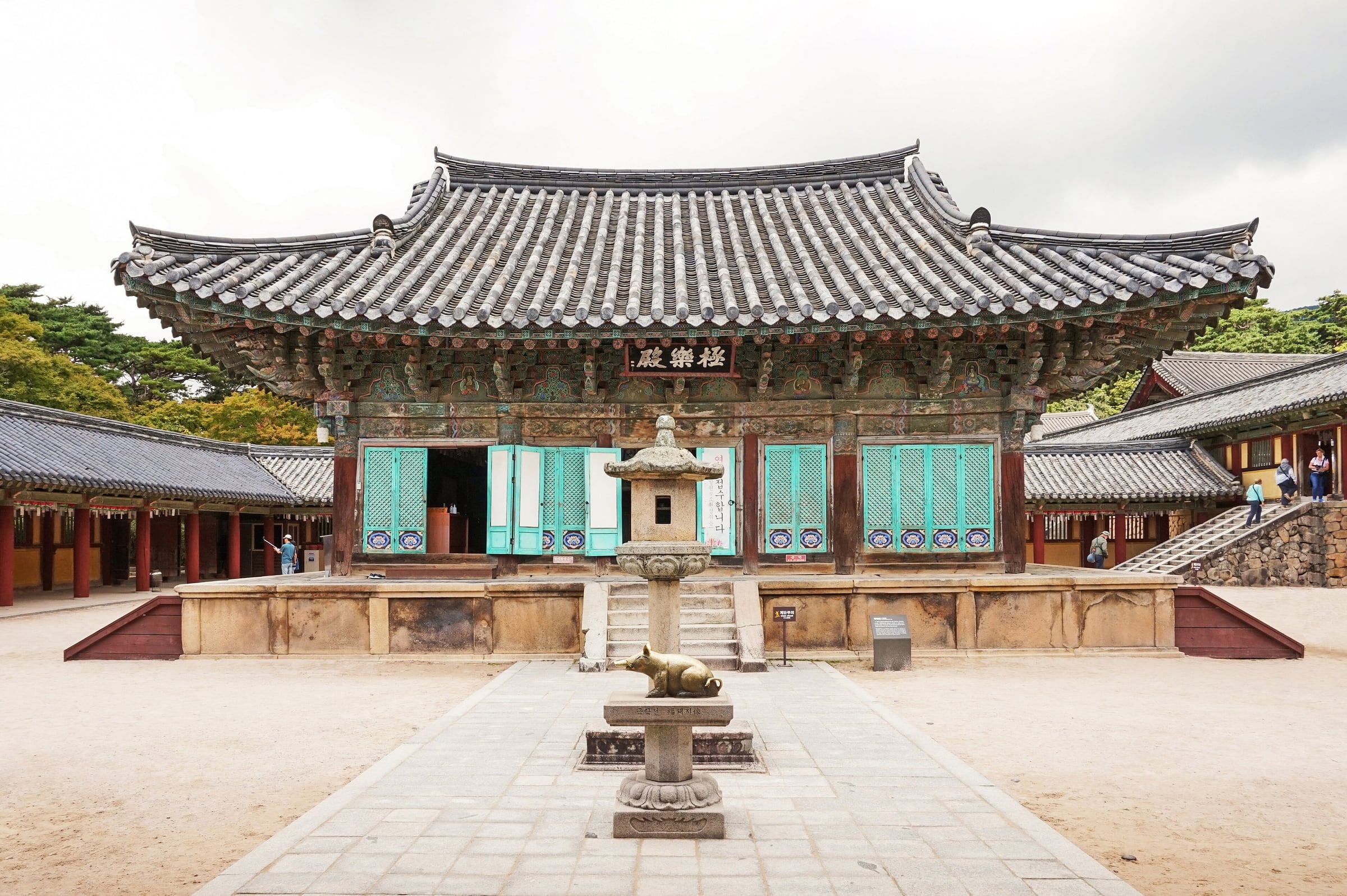
What exists outside Seoul in Korea? The answer comprises provincial tourism's killer content. This answer already exists insufficiently global tourism market exposed. Jeonju hanok village preserves original Joseon dynasty urban structure remarkably. Andong's Hahoe village earned 2010 UNESCO World Heritage designation. Gyeongju stacks Silla millennium legacy vertically. Tongyeong represents South Korea's modern classical music cradle and world-class seafood culture. These provide Seoul-unavailable experiences. Luxury travel market values these assets particularly highly. Global luxury travelers already experienced Paris, Tokyo, New York's 5-star hotels. They seek "nowhere-else experiences." Hanok overnights, traditional craftspeople's days, regional chef omakase worldwide unreplicable Korea-only experiences.
Tourism Distribution Creating Investment Opportunities
Government provincial tourism infrastructure expansion and foreign accessibility increases enable new business opportunities above infrastructure. Luxury hanok stays, regional food culture fine dining, traditional craft experience, culture-curated travel agencies presently Seoul-centered operations expand nationwide. Investment perspective reveals provincial culture asset-based hospitality's attractive characteristics. First, irreplaceability. Specific regional history and culture-rooted experiences resist other-region replication. Second, premium positioning feasibility. Hermes-bag-carrying travelers demonstrate willingness paying far-above-generic-hotel prices for hanok experiences. Third, policy support. Government policy aligns toward infrastructure groundwork.
Decentralizing the Inbound Tourism Paradigm
Achieving the 30-million-visitor milestone fundamentally depends on breaking the Seoul-centric travel loop. By expanding provincial infrastructure and eradicating trust-eroding practices, the government is unlocking the premium, irreplaceable experiences hidden in Korea's regional culture. For private capital, this signals an imminent, high-yield investment window in regional luxury hospitality and bespoke cultural curation.