DSML Market Views Article
From "Bottomless Bucket" to "Social Investment" Korea's Culture and Arts Budget Paradigm Transformation
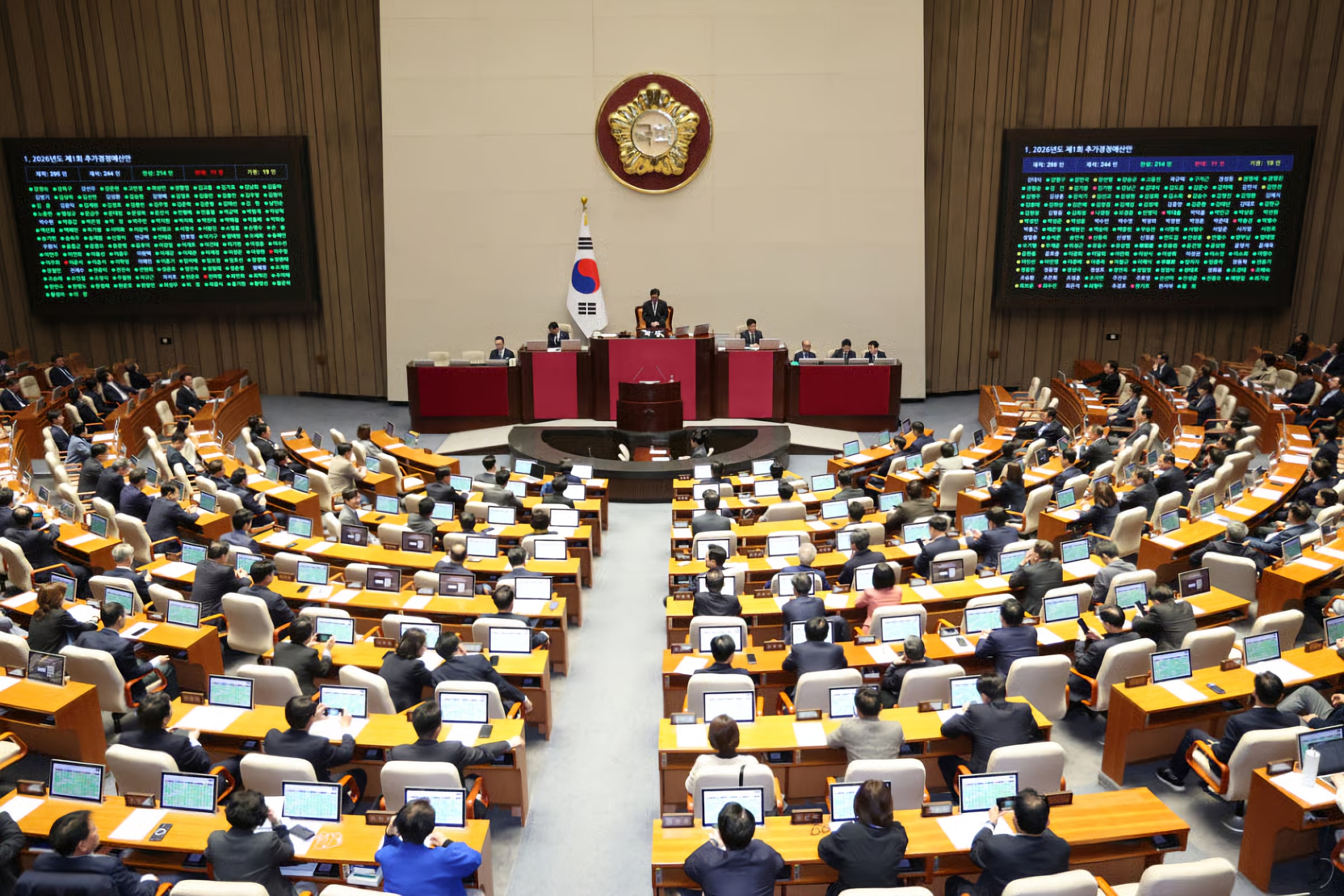
On March 17, 2026, President Lee Jae-myung held a forum with artists at the Changdong Arts Village in Changwon. Comments from this session were reported.
The Day the President Said "It's Difficult"
On March 17, 2026, President Lee Jae-myung held a forum with artists at the Changdong Arts Village in Changwon. Comments from this session were reported. "Culture and arts it's truly difficult." A national leader's public acknowledgment of culture and arts challenges proved unprecedented. Yet more significant was his subsequent remark. The president criticized existing culture support methods as "pouring water into a bottomless bucket" money passing through intermediate bureaucrats and support institutions fails to adequately reach creative sites. He pledged structural reform: direct fund transmission to community foundational artists instead. This transcends simple budget increase promises. It represents philosophical support transformation.
Numerical Confirmation of Transformation: 18.9% Increase
Contrary to some concerns about major culture and arts budget reductions, actual budgets moved oppositely. The 2026 Ministry of Culture, Sports and Tourism's pure and foundational arts sector support budget totaled 759.5 billion won, representing 18.9% year-over-year growth substantially exceeding overall government budget increase rates. Examining detailed items reveals this budget's direction. A new 27 billion won was allocated for young pure arts creator support. 4 billion won was newly budgeted for AI technology and artistic creation combination support. The supplementary budget included 38.5 billion won for film production support and 32 billion won for foundational artist living stability funds. Linking these numbers reveals a directional pattern. First, support flows not to large or intermediate institutions but directly to individual creators and small collectives. Second, policy explicitly supports traditional pure arts combined with AI and digital technology integration. Third, livelihood basis support ensures creative activity sustainability. Together, these three constitute the policy goal of "ecosystem establishment enabling artists' continuous creation."
AI and Art Combination: New Budget Significance
The 4 billion won for art creation support using AI technology matters not through the amount itself but through its mere existence. The government officially recognized AI and art combination as a standalone support category for the first time. This constitutes policy declaration regarding cultural industry future direction. When AI functions as a creative tool, it extends artists' expression range rather than replacing artists. Media art, interactive music, and AI-generated visual art applications became policy support targets. Korea's government acknowledged technology-culture fusion as creative industry's new axis.
This direction already appears evident in global cultural industry. AI-assisted music production, video editing, and character design are dramatically reducing content production costs. Countries and enterprises integrating this technology into cultural creation first gain competitive advantages in the next content competition cycle. Korea's policy pivot to that direction represents meaningful timing.
Paradigm Shift to "Social Investment"
A notable concept in this culture and arts budget change deserves attention: redefining culture support not as "welfare" but as "social investment." Welfare represents consumption expenditure concludes matters. Investment generates returns. If culture support is investment, what comprises those returns? Economically, the cultural industry exerts strong external effects. When one K-drama episode airs, Korean tourist arrivals increase, Korean food exports rise, and Korean language learning demand grows. These ripple effects' magnitude reaches tens of multiples of drama production support amounts. Should government support a film's 38.5 billion won production budget, that film's success on global OTT platforms could generate economic value reaching hundreds of billions. This logic's formal entry into policy discourse constitutes "social investment" paradigm transformation's essence. If culture and arts support gains recognition as "leveraged investment" rather than "waste" during budget deliberation, culture fields no longer occupy disadvantaged competitive positions.
Transitioning to a Leveraged Social Investment Model
By shifting the narrative from 'subsidy' to 'investment,' the administration is effectively establishing a long-term infrastructure for cultural capital. This public sector risk-bearing mechanism essentially lowers the barrier to entry for private capital, transforming local artisan ecosystems and AI-driven art initiatives into viable, scalable asset classes with profound macroeconomic ripple effects.