DSML Market Views Article
K-Pop Changes Billboard Rules KAEDEMON, BTS Arirang, 100 Million Records
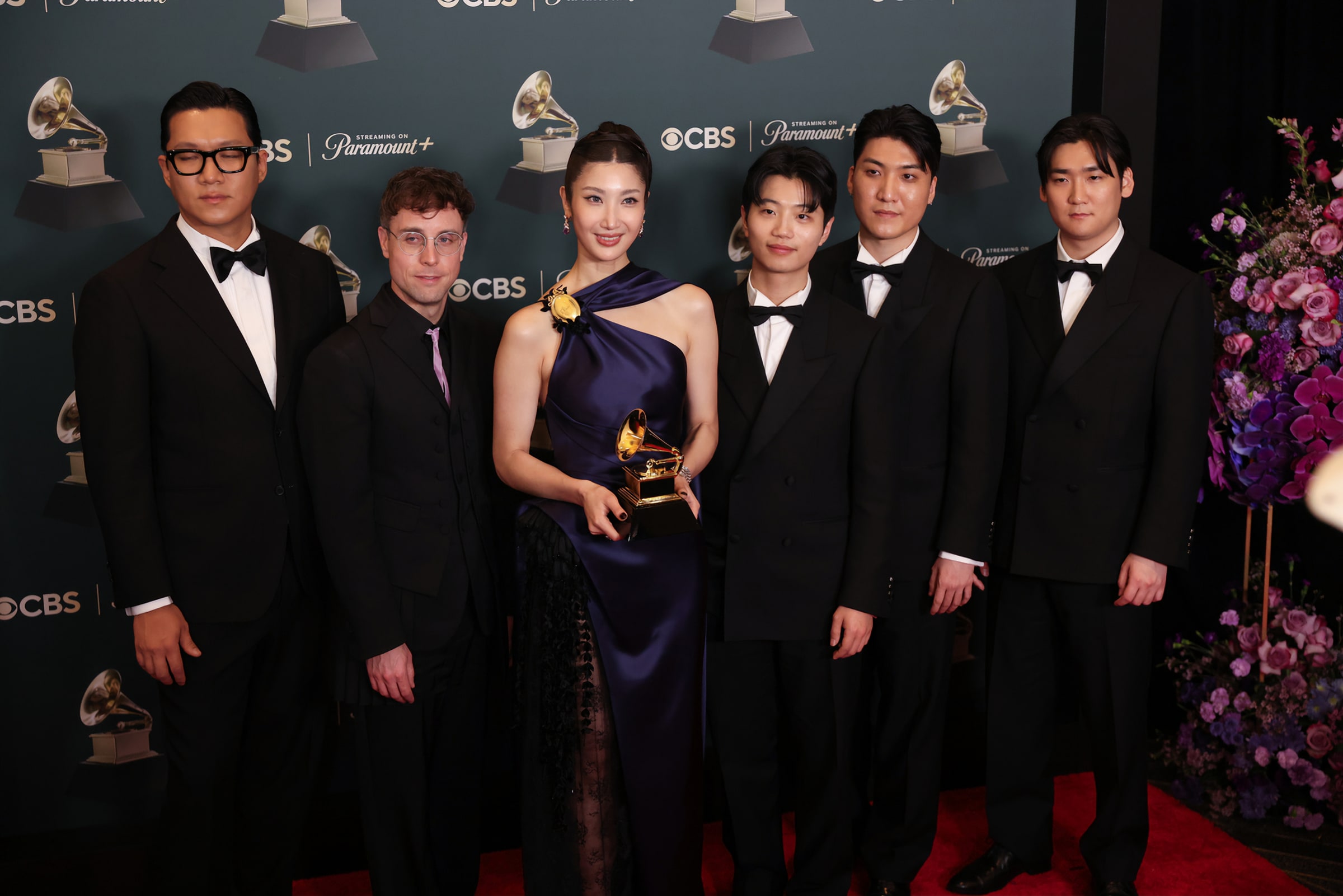
In April 2026, the Netflix anime "K-Pop Demon Hunters" (KAEDEMON) OST simultaneously charted four songs in the Billboard Hot 100 top ten.
Unprecedented Achievement Since 1958
In April 2026, the Netflix anime "K-Pop Demon Hunters" (KAEDEMON) OST simultaneously charted four songs in the Billboard Hot 100 top ten. Since Billboard Hot 100's 1958 inception, no single film or drama OST achieved simultaneous top-ten quadruple entry. The Beatles never accomplished this. Taylor Swift never achieved it. Properly understanding this record's significance requires understanding "Hot 100's" nature. Billboard Hot 100 comprises the most authoritative singular chart aggregating US popular music streaming, radio airplay, and physical sales. Charting means genuine consumption in America's mainstream market. Americans hear it on radio, stream it on Spotify, purchase it digitally. That chart's top ten positioning by K-content OST declares K-pop's transcendence beyond fandom phenomenon into mainstream American culture incorporation.
BTS Arirang: Three Consecutive Weeks at Number One
BTS's fifth regular album "Arirang" captured three consecutive number-one positions on the Billboard 200 chart a first in K-pop history. Three consecutive weeks at number one signals more than musical quality. Fandom's purchasing power and organizational capacity combined with new consumer influx across weeks two and three rather than first-week saturation. First-week sales exceeded 640,000 album units figures overwhelming global pop stars' concurrent album sales. BTS concurrently operates 85-venue world tours, providing record foundation. Concert and recording reinforce each other in virtuous cycles. Concert-attending fans purchase albums; album-purchasing fans attend concerts.
"Arirang's" album title deserves attention. Positioning traditional Korean folk song as album title constitutes intentional cultural declaration testing the thesis that Korean authenticity achieves maximum globalism's most significant stage. That experiment succeeded, achieving Billboard history's longest number-one tenure.
K-Pop Physical Album 100 Million Unit Era
K-pop's 2026 physical album sales surpassed 100 million units annually. Despite global music market streaming-centered conversion over a decade ago, K-pop physical album sales actually increase. This paradox's origin resides in K-pop album product structure. K-pop albums transcend simple music storage media. They constitute "collectible packages" including photocards, posters, mini photobooks, and member signature lotteries. Fans purchase identical albums multiple times seeking desired members' photocards. While criticism exists regarding this consumption method artificially inflating K-pop sales, simultaneously K-pop fandom's remarkable consumption willingness and loyalty cannot be denied. By IFPI standards, seven of the world's top-ten best-selling albums feature K-pop artists like Stray Kids and Enhypen. This signifies K-pop transcendence beyond Korea's popular genre into global music market's most commercially powerful category.
Jennie: TIME's 100 Most Influential People Significance
Blackpink's Jennie gained selection as TIME's "100 Most Influential People" this year. Through solo album "Ruby," she achieved notable Billboard Hot 100 performance. This selection's significance lies in K-pop artists' recognition transcending musicians into global culture, fashion, and business icons. TIME's 100 Most Influential comprises individuals wielding substantive influence across politics, economics, science, and art. Jennie's selection signifies recognition extending beyond vocal capability to influence over fashion, beauty industries, and pop culture broadly. This demonstrates K-pop artists' IP value substantially exceeds music copyright.
KAEDEMON's Transmedia Future Demonstration
KAEDEMON's Billboard record resulted not solely from musical quality. Rather, it represents successful transmedia strategy combining Netflix's global streaming platform, K-pop-format idol narrative, and animation's visual media. Sing-along theater culture where audiences collectively perform songs established itself as novel American mainstream entertainment experience. This phenomenon's implications prove clear. K-pop's value resides not in single recording or single performance. Rather, aggregate ecosystem value encompassing music, visual content, performance, merchandise, and fan community. IP value of labels and production companies establishing and operating this ecosystem exceeds single music business model evaluation capacity.
The Enduring Power of the Transmedia IP Ecosystem
KAEDEMON and BTS's records underline a paradigm shift: K-pop is no longer a niche genre but a dominant global lifestyle format. The evolution from mere music streaming to a cohesive transmedia experience—spanning animation, physical collectibles, and immersive concerts—proves that K-pop labels have successfully engineered a highly monetizable, resilient IP ecosystem that defies traditional music industry depreciation.