DSML Market Views Article
President Lee: "Even Through Supplementary Budget, Culture and Arts Must Be Restored" The Moment Culture Became National Strategy
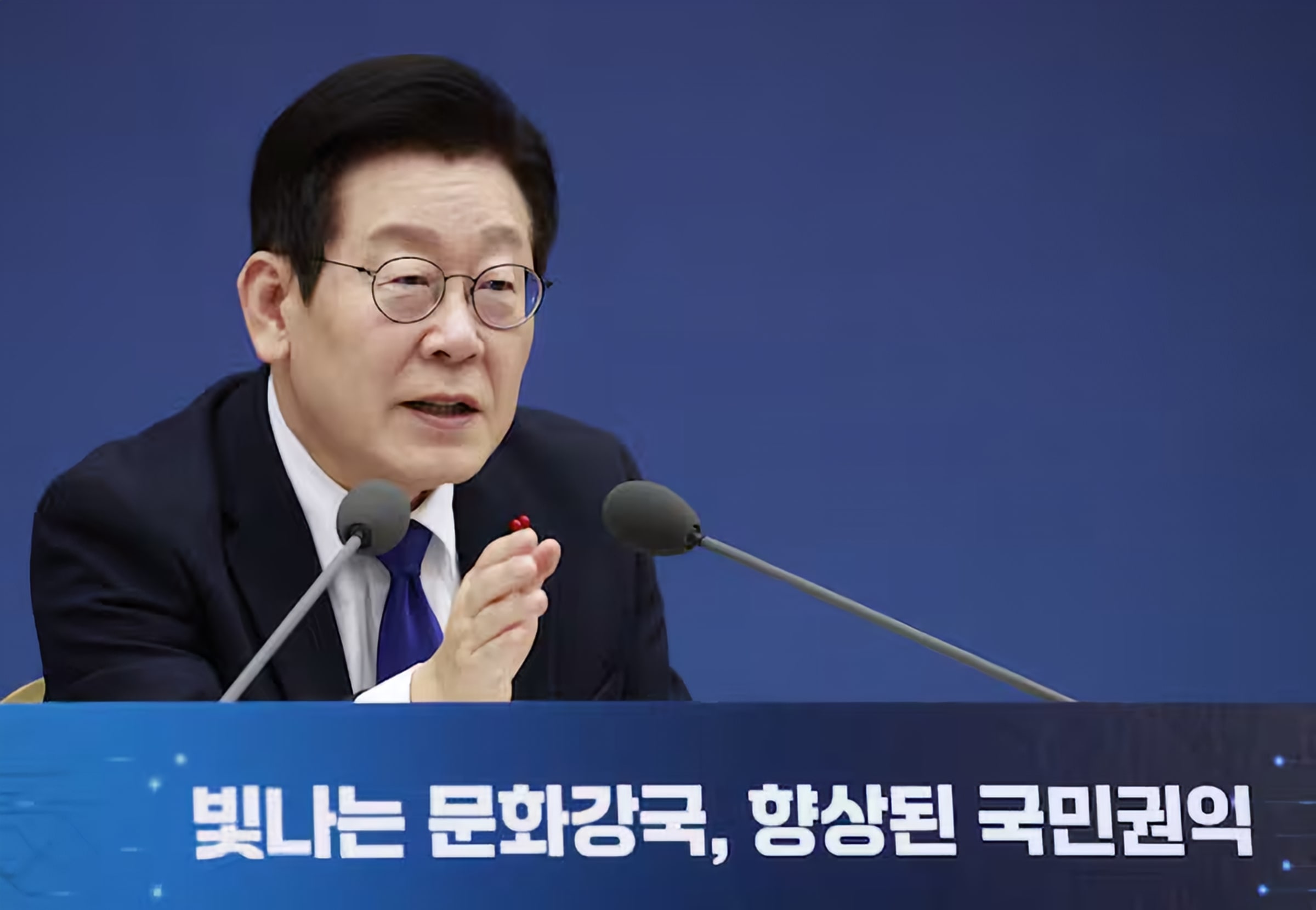
In January 2026, President Lee Jae-myung made unexpected remarks at the Senior Secretariat meeting.
Presidential Statement Two Weeks Post-Budget Confirmation
In January 2026, President Lee Jae-myung made unexpected remarks at the Senior Secretariat meeting. "Even through supplementary budget, we must restore culture and arts foundations." Merely two weeks post-2026 budget confirmation, Blue House immediately characterized it as "principled remarks"; opposition condemned it as election-season fiscal populism. Political controversy proved predictable. Yet substantive significance diverges from political controversy. The president's "supplementary budget" invocation signaled culture and arts financing as political top priority. Whether supplementary budget materialization follows separately, administering culture budget prioritization shift remains declared. This constitutes strategic direction signal.
Why "Foundation" Rather Than "Support"
Word choice warrants attention. "Support" rather than "foundation." This difference proves material. Support implies supplementary nature absent but appreciated. Foundation represents that everything builds upon. Foundation collapse brings aggregate collapse. Presidential culture and arts foundation definition implies investment in this sector transcends selective welfare toward essential infrastructure investment's elevation. This philosophical shift affects culture ministry budget composition through budgeting and planning ministry examination.
Numerical Confirmation of Direction
This transformation already reflects in budget numbers. 2026 Ministry of Culture, Sports and Tourism budget confirmed at 7.85 trillion won 11.2% year-over-year increase. This ranks upper among ministry budget increases. Content sector specifically achieved 1.617 trillion won 27% dramatic surge. This transcends inflation adjustment. It represents policy direction shift. Detailed items clarify further. IP fund 200 billion won, export fund 200 billion won, K-content and media fund 430 billion won. These operate through private capital matching structures. Government 200 billion investment creates 400-600 billion actual operating funds through private matching. Public sector leverage effect.
Content Industry's Structural Vulnerability
The president's supplementary budget mention carried reasons. Korean content industry recently revealed structural weakness. OTT platform production cost expansion competition drove drama and film production costs skyward. Simultaneously, cinema audience remains below pre-COVID levels. K-pop maintains global market growth yet label profitability faces volatility from artist concentration. Government's "restore foundations" statement represented willingness accepting the sector's self-generating growth momentum temporary weakness phase, using public investment as bridging. Market failure occurrence government intervention represents economically justified. Culture content industry exerts strong external effects. Single K-drama's Korea tourism, food exports, beauty export ripples magnitude reaches far-exceed drama production support.
Private Capital's Appropriate Response
Government policy direction establishment prompts private capital recognition and following. This transcends government policy opportunism. It represents rational capital allocation leveraging risk-return asymmetry. Government infrastructure and risk-bearing enables private capital's expected return relative risk improvement. For Korean culture asset investment private capital, present environment structurally advantages. Government already indicated direction; budgets allocated; supplementary budget mention occurred. This signals low policy risk. Culture asset investment's greatest risks involve policy environment reversals government support withdrawal or regulation direction shift creates asset values' rapid decline. Presently that risk achieves historically lowest levels.
Solidifying Culture as Core National Infrastructure
The invocation of a supplementary budget for the arts represents a definitive philosophical pivot: culture is no longer an optional welfare category but a vital, leveraged pillar of national strategy. This top-down de-risking of the cultural ecosystem provides private equity and institutional investors with the clearest possible signal that cultural assets are backed by enduring, bipartisan state support.