DSML Market Views Article
South Korea’s Cultural Tourism Strategy: From Inbound Growth to Global Cultural Economy
South Korea has unveiled an ambitious plan to transform itself into a global tourism powerhouse, positioning culture and the arts not merely as attractions but as strategic assets of its economic model.
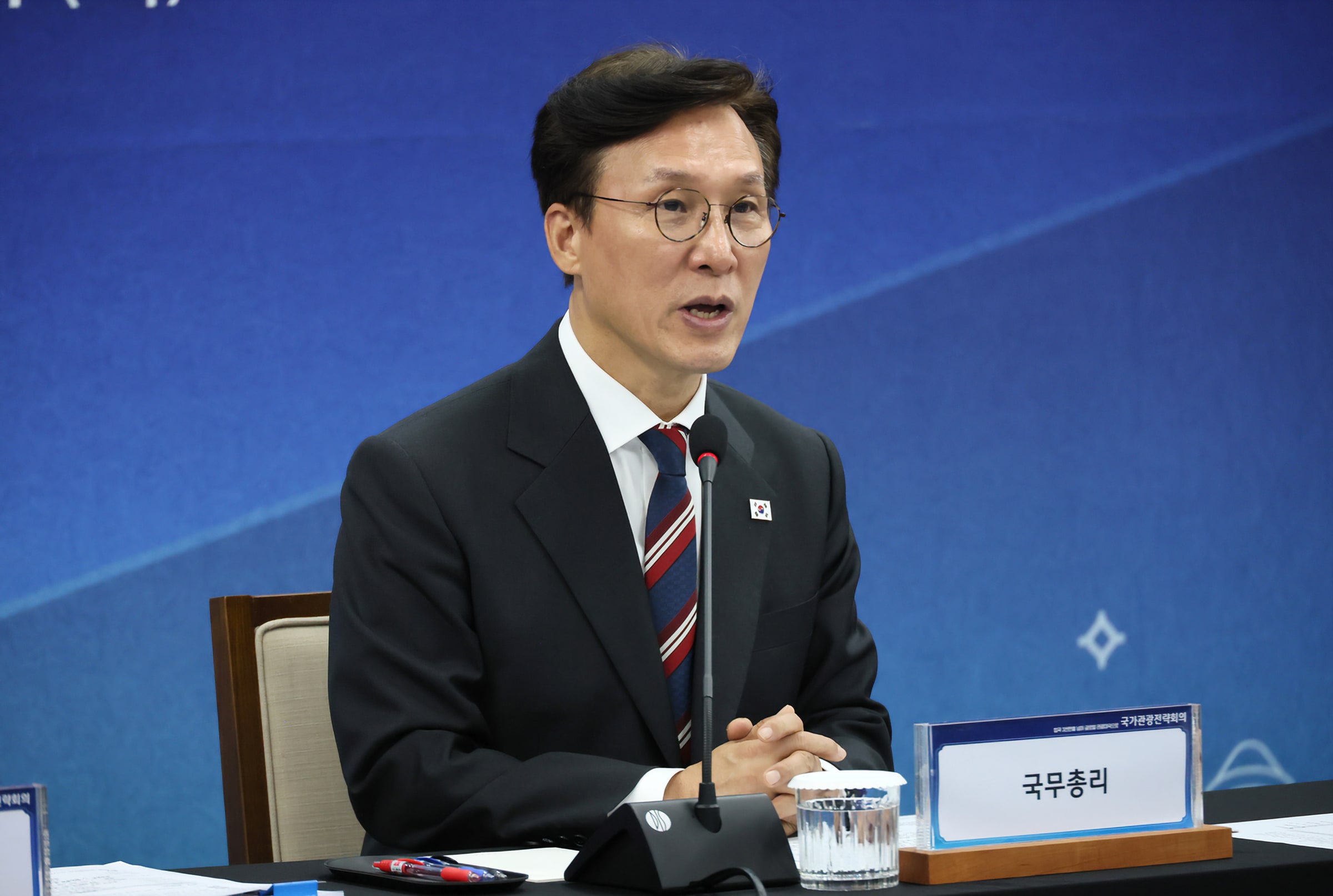
South Korea has unveiled an ambitious plan to transform itself into a global tourism powerhouse, positioning culture and the arts not merely as attractions but as strategic assets of its economic model. At the 10th National Tourism Strategy Meeting, Prime Minister Kim Min-seok outlined three pillars of Tourism Innovation, under the banner of welcoming 30 million inbound visitors and elevating Korea into the ranks of the world’s leading tourism nations.
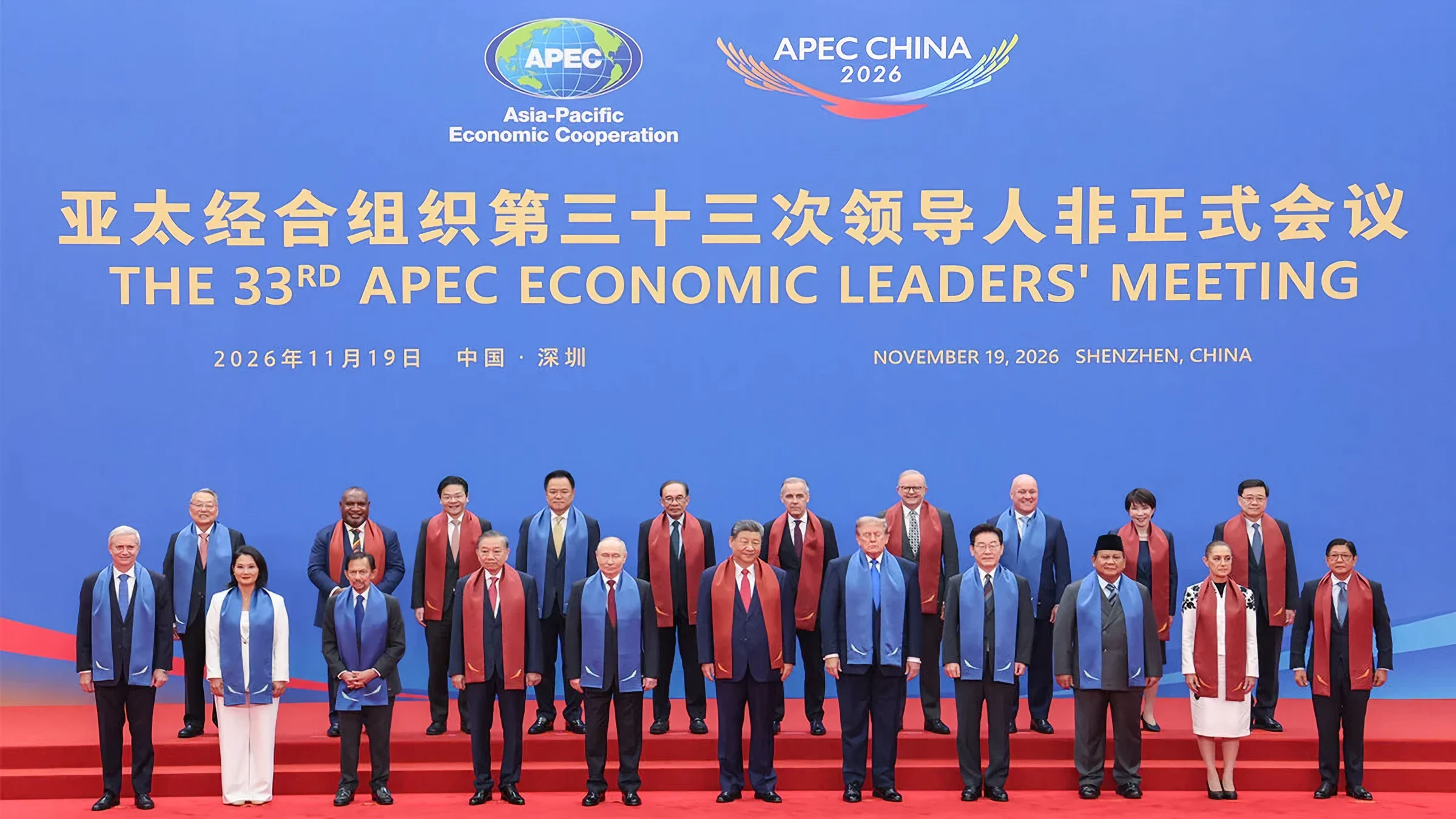
The government’s approach goes beyond conventional tourism infrastructure. It reframes inbound travel as an extension of Korea’s broader cultural economy, anchored in K-content, creative industries, and globally recognized artistic capital. Prime Minister Kim highlighted that the upcoming APEC summit in Gyeongju offers a rare opportunity to showcase Korea’s cultural and creative strengths on a world stage, underscoring the government’s intention to institutionalize culture-driven growth.
The plan calls for the establishment of new inbound tourism zones outside the Seoul metropolitan area, with large-scale investment in medical, wellness, and MICE tourism. At the same time, the government will build cultural anchors including new performance arenas, K-content hubs, and regional Hallyu experience centers, designed to convert global fandom into direct economic activity within Korea. The ambition is clear: to make Korea not only a destination but an immersive ecosystem of culture, technology, and lifestyle.
Global markets are already recognizing this trajectory. Google’s investment in Gentle Monster, a Korean fashion eyewear brand, signaled growing confidence in the creative sector, while L’Oréal’s acquisition of a niche Korean fragrance house highlighted how international capital is leveraging Korean cultural innovation to expand into new markets. These moves illustrate the widening scope of Hallyu’s influence, which has evolved far beyond K-pop and K-drama to encompass fashion, design, beauty, and contemporary art.
The government’s new framework also promises to reshape local economies. Initiatives such as the half-price travel program for rural regions, the designation of global tourism zones, and a revised funding model that devolves budgetary control to municipalities are intended to link cultural capital with community revitalization. The aim is to create a virtuous cycle where tourism not only draws international visitors but also strengthens local industry, employment, and regional identity.
Crucially, the reform is being positioned as a structural pivot rather than a temporary boost. By overhauling outdated legal frameworks and introducing new laws such as the proposed Tourism Industry Act, Korea is signaling that cultural tourism will be treated as a core national industry alongside semiconductors, defense, and advanced technology.
Analysts note that this strategy reflects a growing recognition of soft power as hard capital. Korea’s ability to export its culture from music and drama to architecture and design has already proven its global resonance. The government is now institutionalizing these strengths to build long-term value. As one industry observer remarked, this is not simply about attracting more tourists. It is about transforming Korea into a global cultural economy where art, technology, and commerce intersect.
If successful, Korea’s model could redefine the global tourism playbook. By anchoring tourism in cultural production and creative capital, Seoul is not only addressing inbound demand but also shaping the future of how nations compete for influence, investment, and identity in a cultural economy that is increasingly borderless.