DSML Market Views Article
The Illusion of KOSPI 6500: The AI Supercycle and the Brutal Polarization of Capital
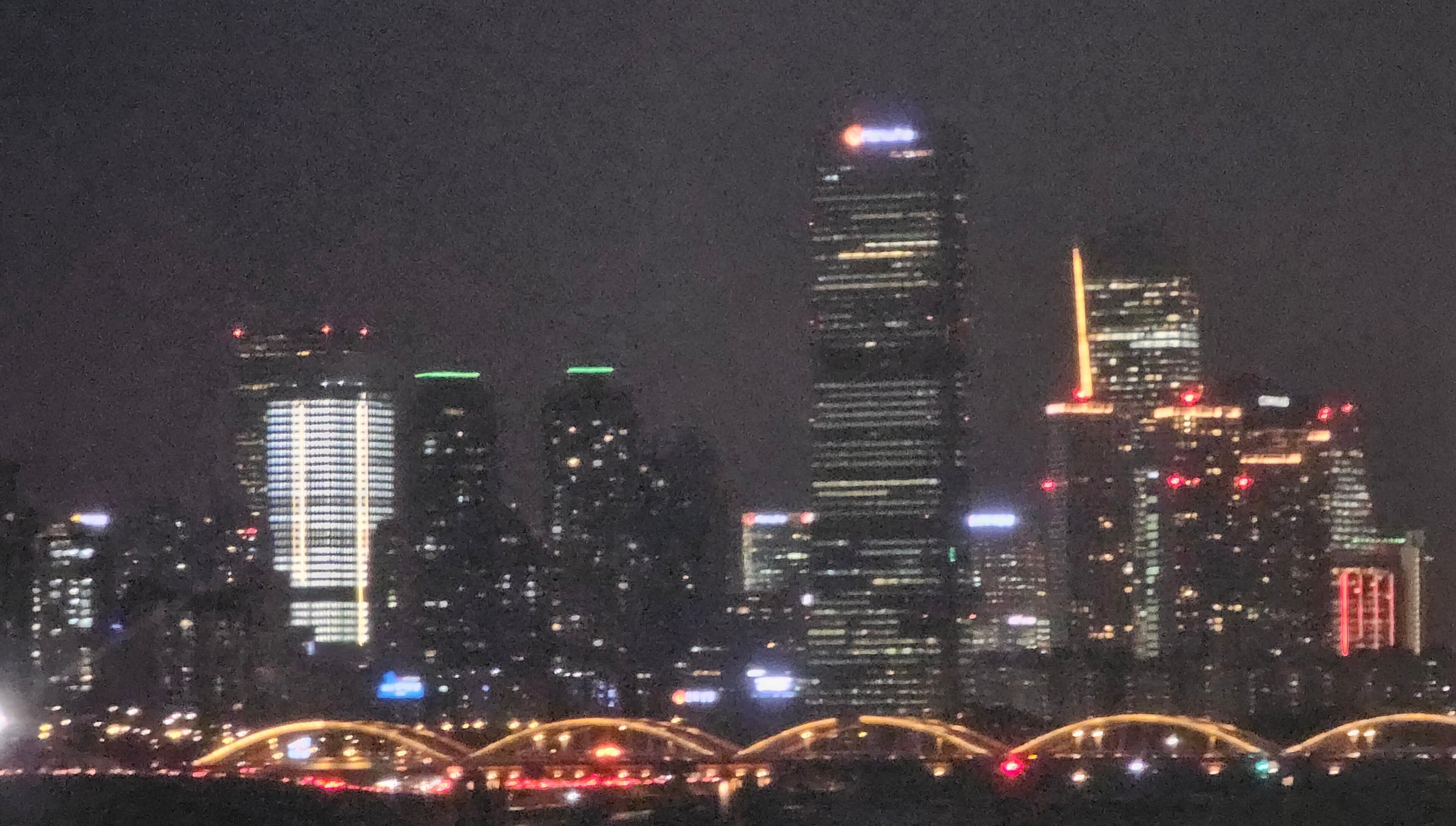
On April 23, 2026, the KOSPI shattered historical ceilings, piercing the 6500 mark to reach an intraday high of 6,557.76.
A Historic Milestone Masking a Market Bifurcation
On April 23, 2026, the KOSPI shattered historical ceilings, piercing the 6500 mark to reach an intraday high of 6,557.76. While retail markets and headlines celebrated this unprecedented milestone, the underlying mechanics reveal a starkly different reality: the brutality of capital concentration. The KOSPI 6500 era is not a triumph of the broader South Korean economy; it is an optical illusion engineered by the extraordinary, monopolistic profitability of just two titans—Samsung Electronics and SK Hynix.
This phenomenon is best described as the "Liquidity Paradox." Despite an apparent abundance of market liquidity driving the index to record highs, the capital is not trickling down. Instead, it is being vacuumed into the safest, most fundamentally robust assets. SK Hynix’s staggering Q1 2026 earnings—posting 37.6 trillion KRW in operating profit with a surreal 72% operating margin—defy the conventional laws of hardware manufacturing. Global capital, reacting to these numbers, is abandoning speculative themes and mid-cap equities, retreating exclusively into the absolute certainty of AI infrastructure monopolies.
Geopolitical Catalysts and the Flight to Quality
The timing of this hyper-concentration was accelerated by a shifting macroeconomic backdrop. The recent extension of the US-Iran truce provided a critical release valve for global geopolitical anxiety, triggering an immediate rally in US tech equities, notably a 2.72% surge in the Philadelphia Semiconductor Index. As Middle Eastern risks subsided, sidelined global "hot money" flooded back into the market. However, it bypassed emerging market index funds and flowed directly into the most fundamentally secure tech blue-chips.
South Korea’s premier tech stocks are no longer viewed merely as emerging market cyclical plays; they have become the ultimate safe havens in the AI arms race. The global market has realized that the physical bottlenecks of the AI revolution lie in memory and compute capabilities, prompting an aggressive capital reallocation toward the sole providers of these solutions.
Redefining the Semiconductor Paradigm
The implications of the KOSPI 6500 are profound for institutional investors. The era of riding broad market beta is over. The index's rise is a zero-sum game, where the explosive growth of the semiconductor sector comes at the direct expense of traditional industries and small-to-medium enterprises, which are starving for liquidity. The market has become a "two-stock index," where the pursuit of alpha requires either total submission to the tech monopoly or a complete departure from the public markets to find uncorrelated returns. The 6500 milestone is a testament to technological triumph, but it is equally a stark warning about the irreversible polarization of modern financial markets.