DSML Market Views Article
The Strategic Paradox: Why Middle Eastern Oil is Flowing into South Korean Reserves
In an era defined by escalating geopolitical friction, particularly the persistent threat of blockades in the Strait of Hormuz, a structural paradox has emerged within global energy logistics.
A Legacy of the Oil Shocks Meets Modern Geopolitics
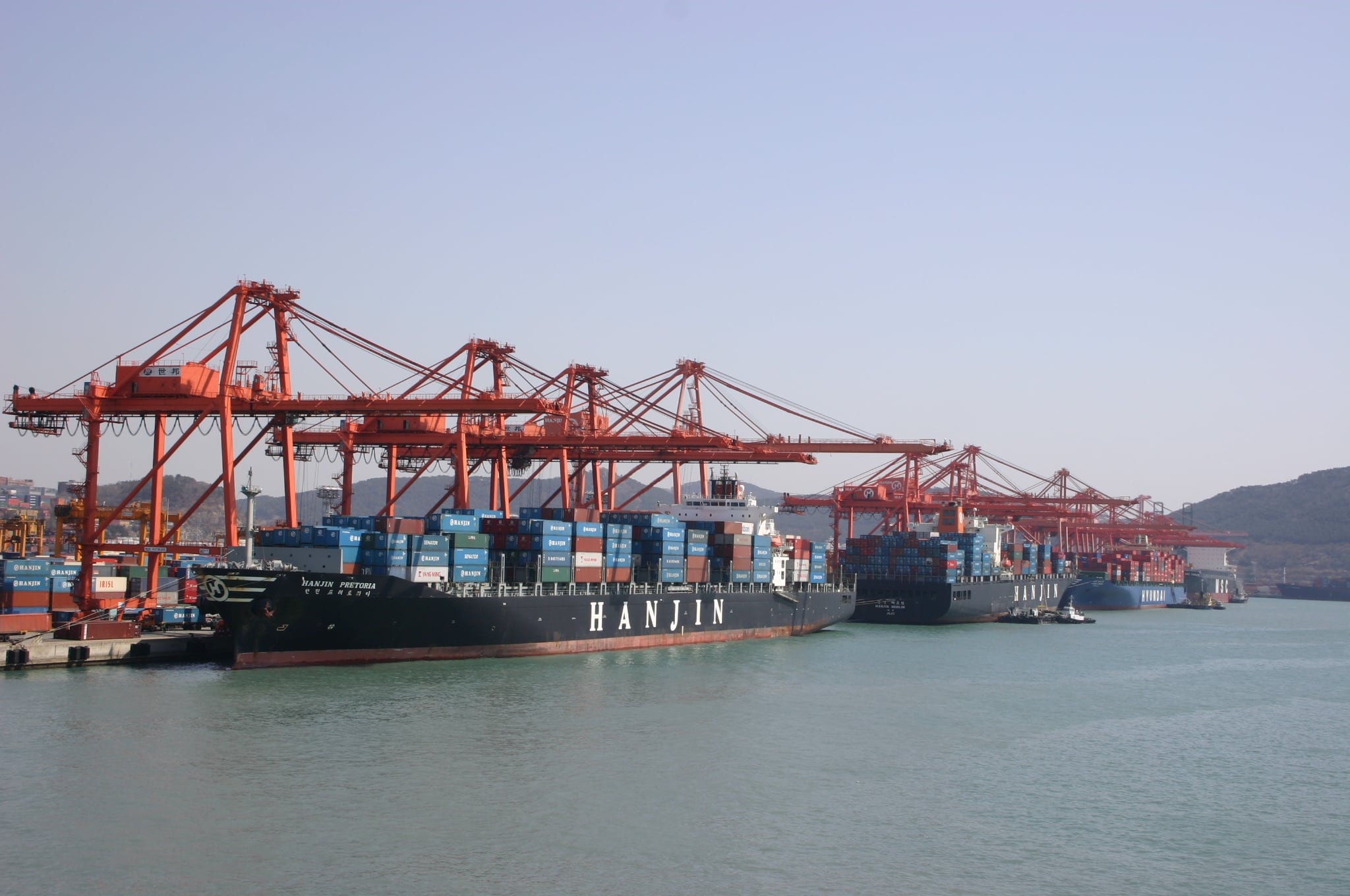
In an era defined by escalating geopolitical friction, particularly the persistent threat of blockades in the Strait of Hormuz, a structural paradox has emerged within global energy logistics. South Korea, a nation entirely devoid of domestic petroleum resources, is currently experiencing an influx of requests from Middle Eastern oil-producing nations, including the UAE, to utilize its subterranean strategic petroleum reserves as offshore storage facilities. This development transforms what was once a defensive infrastructure project into a proactive geopolitical asset.
The foundation of this capability dates back to the severe economic trauma of the 1st and 2nd oil shocks in the 1970s. In response, the South Korean government initiated a decades-long project to construct massive underground cavern facilities. Today, these subterranean reserves, possessing a volumetric capacity equivalent to one hundred large-scale indoor gymnasiums, rank as the 6th largest globally. What began as a desperate measure for national survival has evolved into a highly coveted international logistics hub.
The Logic of the Asian Chokepoint Evasion
The rationale driving Middle Eastern nations to park their sovereign oil in Korean caverns is multifaceted. Foremost is the evasion of maritime chokepoints. Global maritime transport relies heavily on six major geographic bottlenecks. South Korea's geographic positioning allows it to bypass these critical risks entirely when serving the broader East Asian market. Furthermore, the Korean peninsula offers a degree of political and institutional stability that significantly outpaces regional alternatives, providing a secure harbor for billions of dollars in liquid assets.
Crucially, this is not merely a warehousing agreement. Korea boasts one of the world's most advanced and globally integrated refining and petrochemical clusters. Major domestic players like S-Oil and GS Caltex operate alongside international stakeholders, ensuring that the corporate infrastructure required for complex B2B trading, contracting, and distribution is already frictionless. This institutional maturity makes Korea an ideal trading partner, not just a storage facility.
Economic and Security Arbitrage
For South Korea, the strategic and economic dividends of this arrangement are immense. From a national security perspective, hosting foreign oil comes with a critical caveat: "priority drawdown rights." In the event of a catastrophic global supply disruption, the Korean government retains the contractual right to utilize the stored reserves for domestic stabilization, effectively outsourcing its energy security costs to the very nations that produce the oil.
Economically, this infrastructure positions Korean enterprises to engage in highly lucrative arbitrage trading. By holding physical assets, traders can capitalize on temporal and geographic price discrepancies in the LNG and crude markets. Furthermore, looking toward the long-term horizon of global shipping, as the Arctic Route becomes increasingly viable due to climate change, these massive reserves will serve as the premier bunker fuel hub for vessels navigating between Europe and Asia. Ultimately, what experts note is that the risk of Korea becoming a military target due to these reserves is negligible; the interconnected nature of the East Asian economy dictates that a crisis on the Korean peninsula is an instantaneous global crisis, rendering the oil reserves a shared asset rather than a unique vulnerability.
The Geopolitics of Sovereign Capital Reallocation
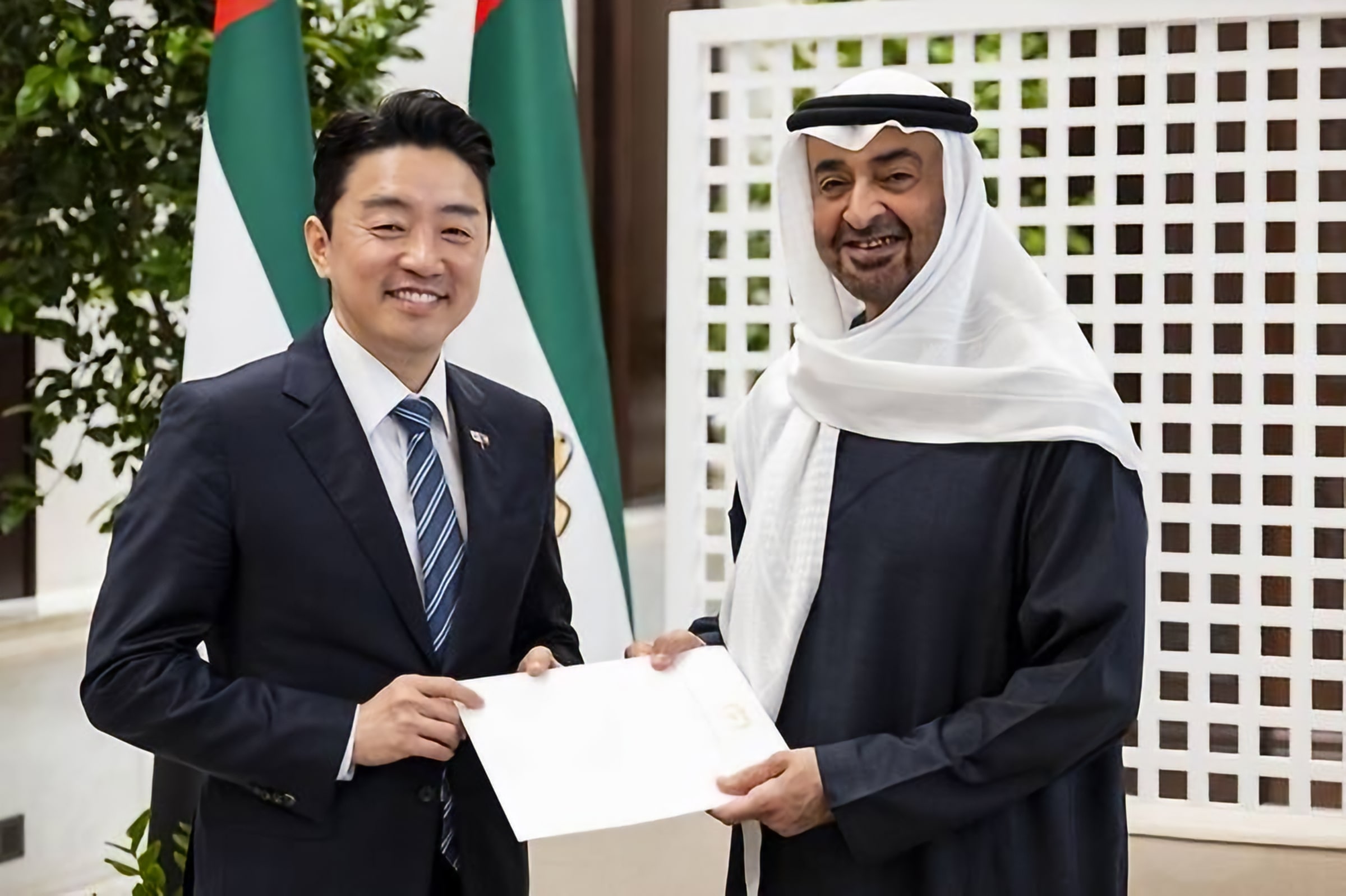
The influx of Middle Eastern sovereign wealth into South Korean culture and tech transcends simple asset diversification. It is a calculated geopolitical maneuver to construct a resilient, post-carbon economic framework anchored by a nation that offers cutting-edge technology without the hegemonic strings attached to traditional Western or Chinese capital.