DSML Market Views Article
Unforeseen Heritage: How Family Succession Disputes Derail Mega Buyouts in South Korea
In the high-stakes arena of global private equity, executing a 100% buyout is often the prerequisite for implementing aggressive value-creation strategies and seamless exit architectures.
In the high-stakes arena of global private equity, executing a 100% buyout is often the prerequisite for implementing aggressive value-creation strategies and seamless exit architectures. However, the South Korean middle-market presents unique, culturally embedded risks that transcend standard financial due diligence. A recent and prominent example is the stalled acquisition of ChungHo Nais by the global private equity giant, Carlyle Group.
The Anatomy of a Disrupted Deal
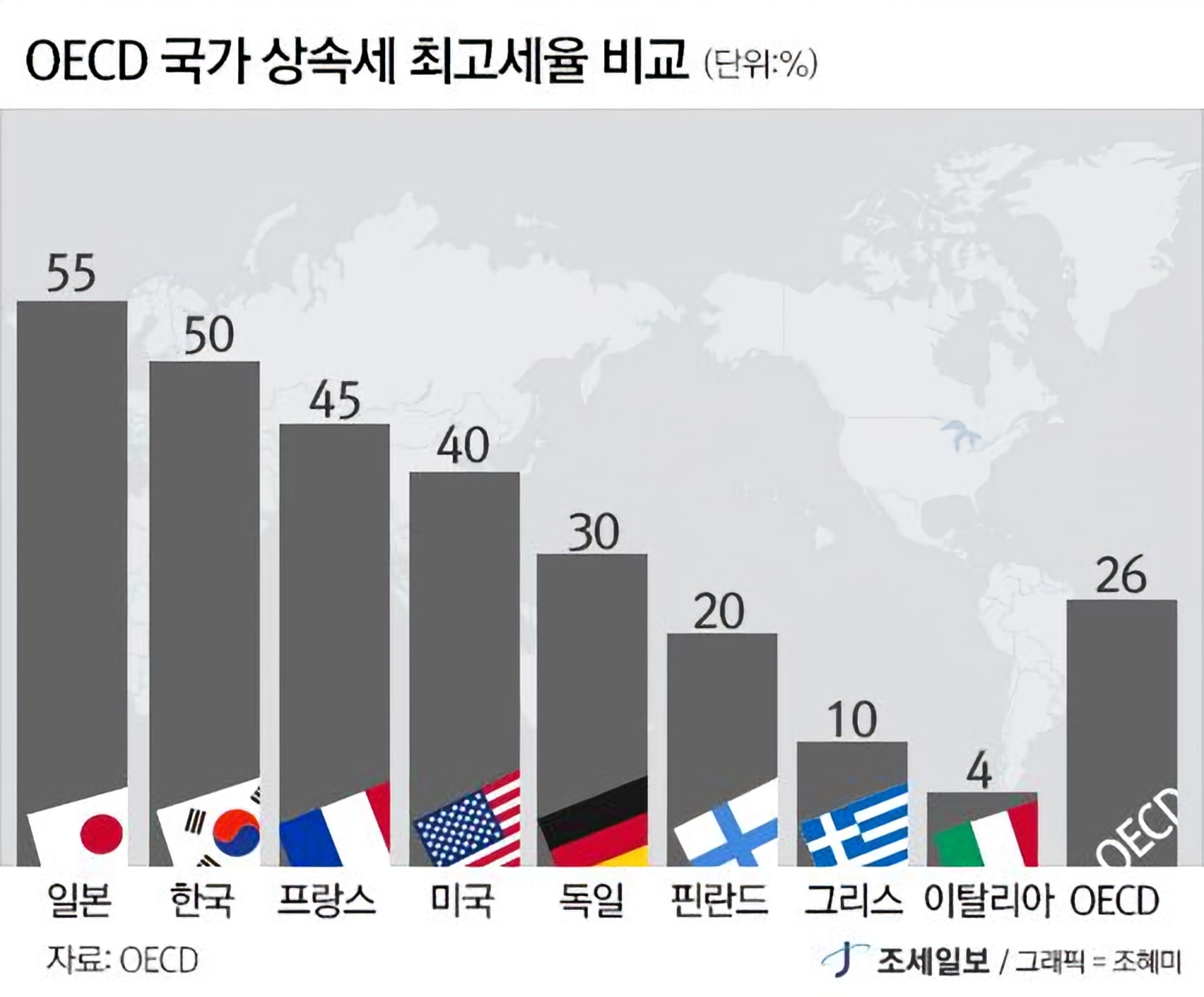
Carlyle Group had reportedly signed a Memorandum of Understanding (MOU) to acquire a 100% stake in ChungHo Nais, a leading water purifier and home appliance manufacturer, in a deal valued at approximately 800 billion KRW (roughly USD 600 million). The transaction was catalyzed by the sudden passing of the company's founder, leaving the bereaved family facing a staggering inheritance tax burden exceeding 200 billion KRW. A 100% buyout offered a clean liquidity event for the family and absolute control for the PE sponsor. However, an unforeseen variable shattered the deal structure: the emergence of the late founder's son from a previous marriage. Excluded from the will, which bequeathed the majority 75.1% stake to the current wife and her son, the ex-wife's son filed lawsuits seeking nullification of the will and his statutory forced heirship portion. Legal analysts project that depending on the outcome, this claimant could secure between 10.7% and 21.5% of the company's equity, instantly elevating him to the position of the second-largest shareholder.
The Buyout Dilemma For a private equity firm executing a leveraged buyout (LBO), the presence of a hostile or unaligned minority shareholder holding a 20% stake is toxic. It severely complicates debt pushdown strategies, obstructs dividend recapitalizations, and triggers minority shareholder protection clauses under Korean commercial law, effectively paralyzing the board's decision- making velocity.
Strategic Implications for Institutional Capital
This incident vividly illustrates that in the Korean M&A landscape, "Key-Man Risk" does not end with the founder's retirement or passing; it evolves into "Succession Risk." Traditional legal due diligence often focuses on corporate liabilities, IP ownership, and operational compliance. Yet, in family-owned enterprises, the most explosive liabilities are often personal and genealogical. This underscores the absolute necessity of structuring ironclad covenants prior to capital deployment. When engaging with founder-led companies, structuring must account for worst-case probate scenarios. This involves mandating comprehensive estate planning, securing irrevocable proxy voting agreements, and embedding aggressive call-options or drag-along rights that can forcefully neutralize emerging minority stakes derived from familial disputes. Capital requires certainty; in South Korea, securing that certainty means auditing the family tree as rigorously as the balance sheet.