DSML Market Views Article
Why Foreign Capital Constructs Factories in Korea And Subsequent Opportunities
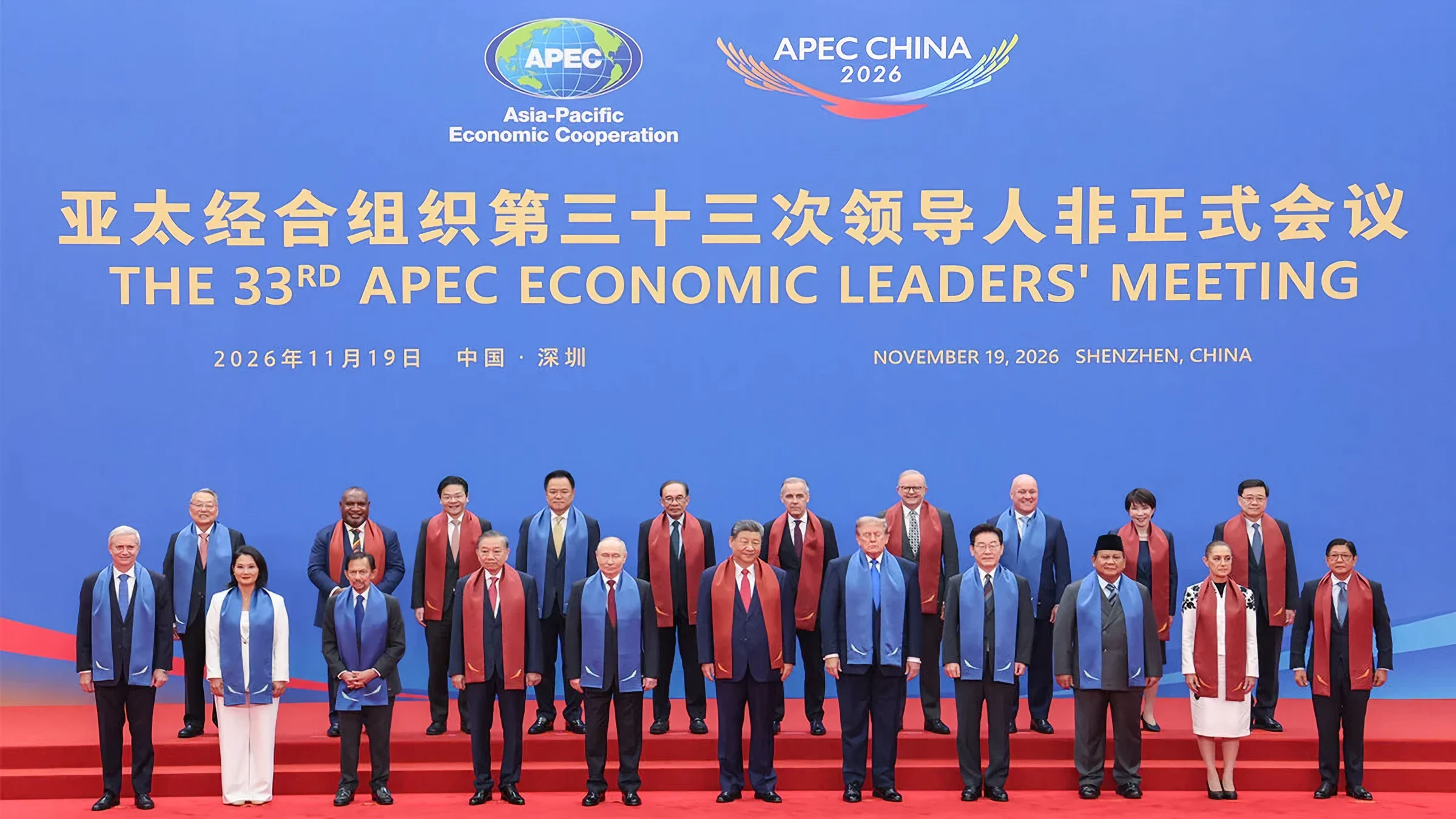
Merck, Siemens Germany's representative global enterprises' representatives requested regulatory relaxation at Korea's Blue House.
Regulatory Request at Blue House
Merck, Siemens Germany's representative global enterprises' representatives requested regulatory relaxation at Korea's Blue House. Chemical import restrictions, provincial talent acquisition difficulties, R&D cooperation procedure complexity constituted formal proposals. Government promised immediate review. This scenario unfolded at President Lee Jae-myung's foreign-invested enterprise forum in 2026. Properly significance understanding requires context. That Merck and Siemens request Korea government regulatory relaxation signals their Korea business expansion intent. Enterprises contemplating withdrawal or contraction never request regulatory relaxation. Regulations as barriers signal removed barriers enable investment increases.
Policy's Specificity: What Changes
Government released concrete policy package at this forum. Cash support for non-Seoul region foreign investor enterprises increased by 10+ percentage points; dedicated R&D budgets allocated; youth talent hiring programs strengthened. These three form interconnected policy package. Expanded cash support lowers initial investment costs. R&D budget allocation shares technology development stage risks. Youth talent recruitment programs reduce hiring uncertainty. The three principal concerns foreign enterprises contemplate during Korea provincial investment decisions costs, technology risk, personnel government simultaneously addresses.
FDI Structural Shift: Factories to Brands
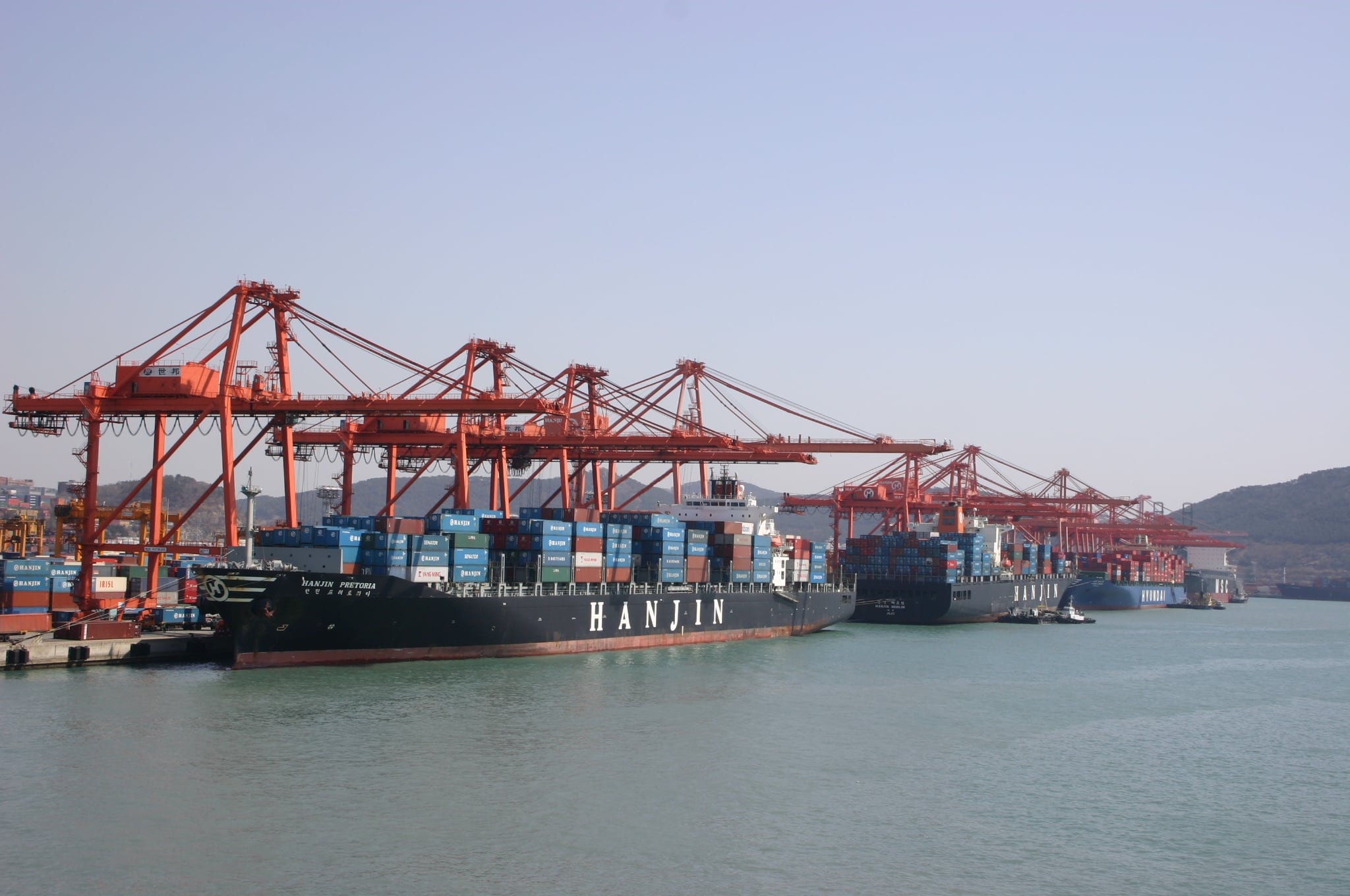
Reviewing Korea's foreign direct investment history reveals distinct patterns. 1980s-90s featured low-cost labor-utilizing manufacturing factories. 2000s transitioned toward sophisticated manufacturing semiconductors, chemicals, automotive components. 2010s forward added IT services and platform business. Now, 2026, new FDI waves begin appearing. Global capital's K-culture-based content, lifestyle, education asset interest sharply increases. J-Hope's MISSENPLACE Capital's USD 500 million K-culture private equity fund formation alongside Hanwha AssetOne transcends news. It signals global capital's institutional-scale resource allocation toward Korean culture assets.
Why Now: Three Convergences
Global capital's Korean culture asset attention proves no accident. Three flows converge simultaneously. First, K-culture's global positioning achieved sufficient verification. BTS, Blackpink, Squid Game, Parasite proved Korean culture shapes mainstream consumer taste globally. Capital now seeks methods monetizing that proven brand power. Second, Korea government policy environment shifted favorably. "300 Trillion Won K-Culture Era," 27% content budget increase, foreign investor incentive expansion represent government's risk-sharing willingness's numerical expression. Global institutional capital invests most securely directionally aligned with government policy. Third, technological environment transformation. Streaming platform global diffusion, social media content virality, e-commerce culture product export these infrastructure drastically reduced Korean culture assets' global distribution costs. Decade previously, non-distribution-network Korean small brands struggled accessing overseas markets. Now Instagram alone directly connects global consumers.
Factories Replaced by IP: Investment Leaving
Manufacturing FDI and culture FDI's decisive difference concerns what remains. Factories leave equipment. Brand investment leaves IP. Equipment depreciates; technology obsolescence renders it worthless. IP, with proper management, compounds geometrically. Korea's 1980s textile factories and 1990s semiconductor fab attraction yielded employment and technology transfer optimal selections for that era. Yet 2026 global capital's Korean culture brand investment leaves global distribution networks and brand value substantially higher value-add more durably maintained. Certainly, IP-based investment carries unique risks. Artist dependency, trend dependency, intellectual property dispute prove typical. These risks manageable through structured financial techniques and legal protection.
From Manufacturing Hub to IP and Brand Incubator
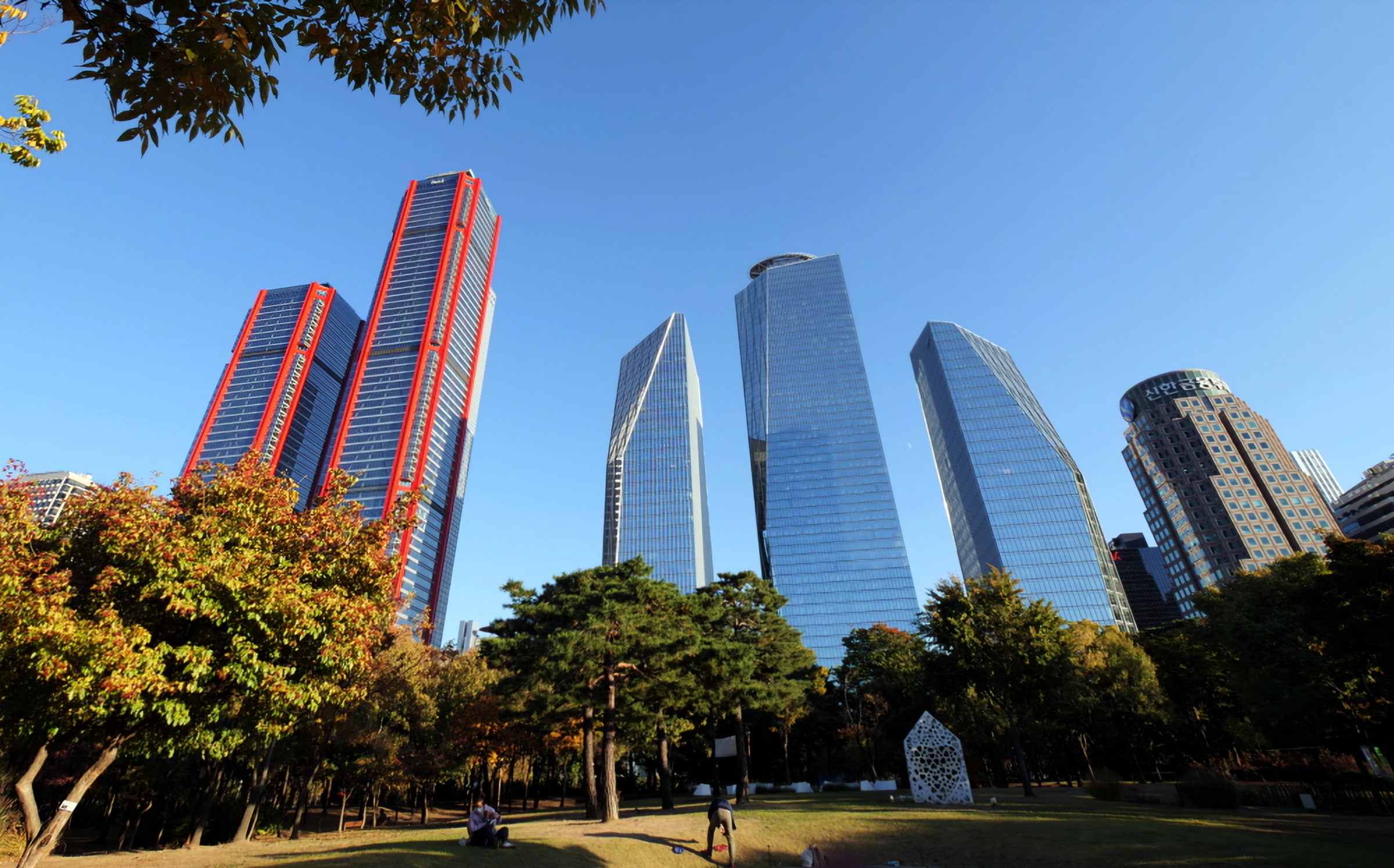
The changing nature of foreign direct investment—from hardware factories to cultural IP and brand acquisitions—marks Korea's maturation into a high-value creation economy. As global capital seeks to acquire enduring, compounding assets rather than depreciating physical equipment, domestic stakeholders must pivot their strategies to protect, nurture, and adequately price their intellectual properties on the world stage.